Вниманию ведомств и организаций, занимающихся продовольственной и экологической безопасностью в Республике Казахстан 8 сентября 2023 г.
Существует ли в Казахстане проблема нехватки водных ресурсов и низкого содержания кислорода в атмосфере, и как она решается?
Экологическая обстановка в Казахстане зависит от водной и экологической политики сопредельных государств (Центральная Азия, КНР, РФ). Так, например, таёжные леса РФ стремительно сокращаются. Пожары, незаконные рубки, непродуманные законы и скудная охрана наносят страшный урон российскому лесу.
Всего через 15-20 лет тайги в её привычном понимании не останется. Монокультура хлопчатника в Узбекистане привела к практическому исчезновению Аральского моря, хотя часть моря, находящаяся в Казахстане, поддерживается благодаря предпринимаемым усилиям.
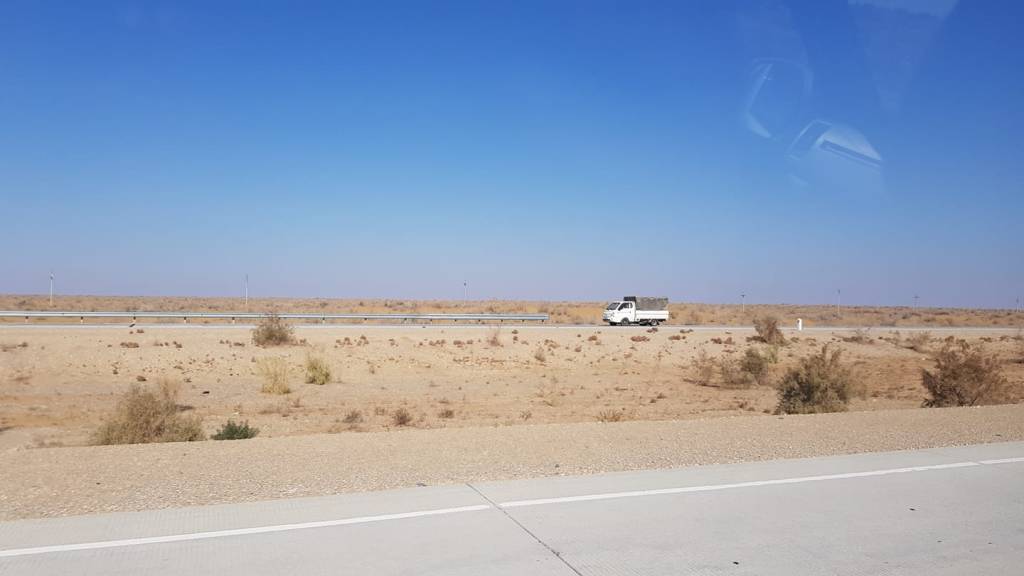
63% территории Казахстана занимают степи; пустыни и полупустыни — 25 %; 10 % — горы. Государственный лесной фонд Казахстана по состоянию на 01.01.2022 года занимает 11,2 % территории и сосредоточен в горах Тянь-Шаня и Алтая.
В этих условиях отсутствие лесного покрова на большей части Казахстана (88%) повышает его уязвимость перед глобальным потеплением. Учёные говорят, что лет через 70 в Казахстане могут полностью исчезнуть ледники.
Казахстан уже сейчас начинает испытывать нехватку водных ресурсов и по прогнозам к 2040 году может столкнуться с существенным дефицитом воды.
Проблема низкого содержания кислорода в атмосфере.
70% случаев младенческой смертности и инвалидности происходит вследствие перенесенной гипоксии (пониженное содержание кислорода в организме или отдельных органах и тканях.)
Главной причиной экзогенной гипоксии является снижение содержания кислорода во вдыхаемом воздухе.
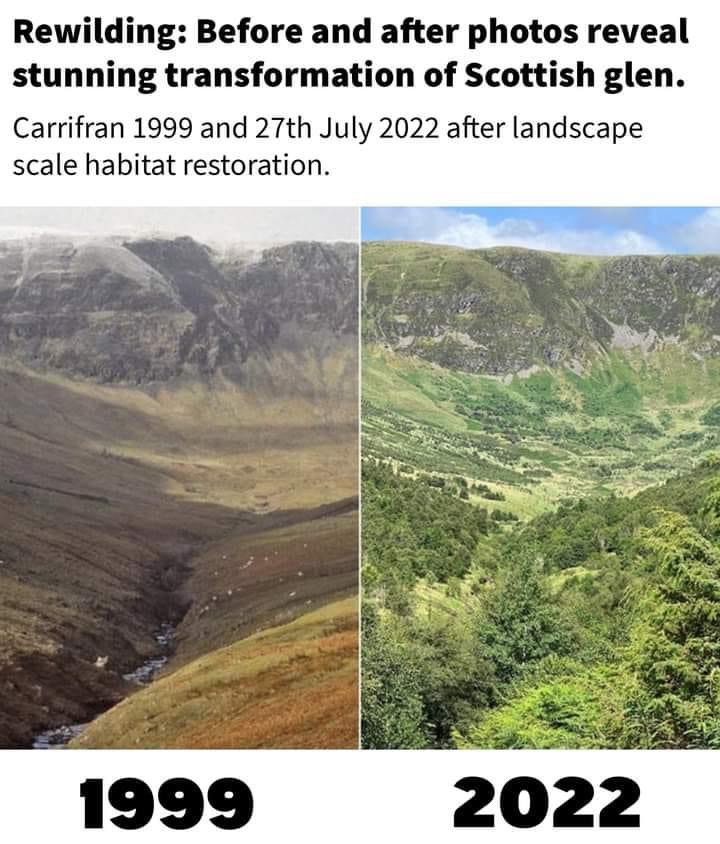
Долгосрочная цель состоит в том, чтобы смягчить климат Казахстана, повысить содержание кислорода, увлажнить и очистить воздух от вредных примесей за счет лесонасаждений.
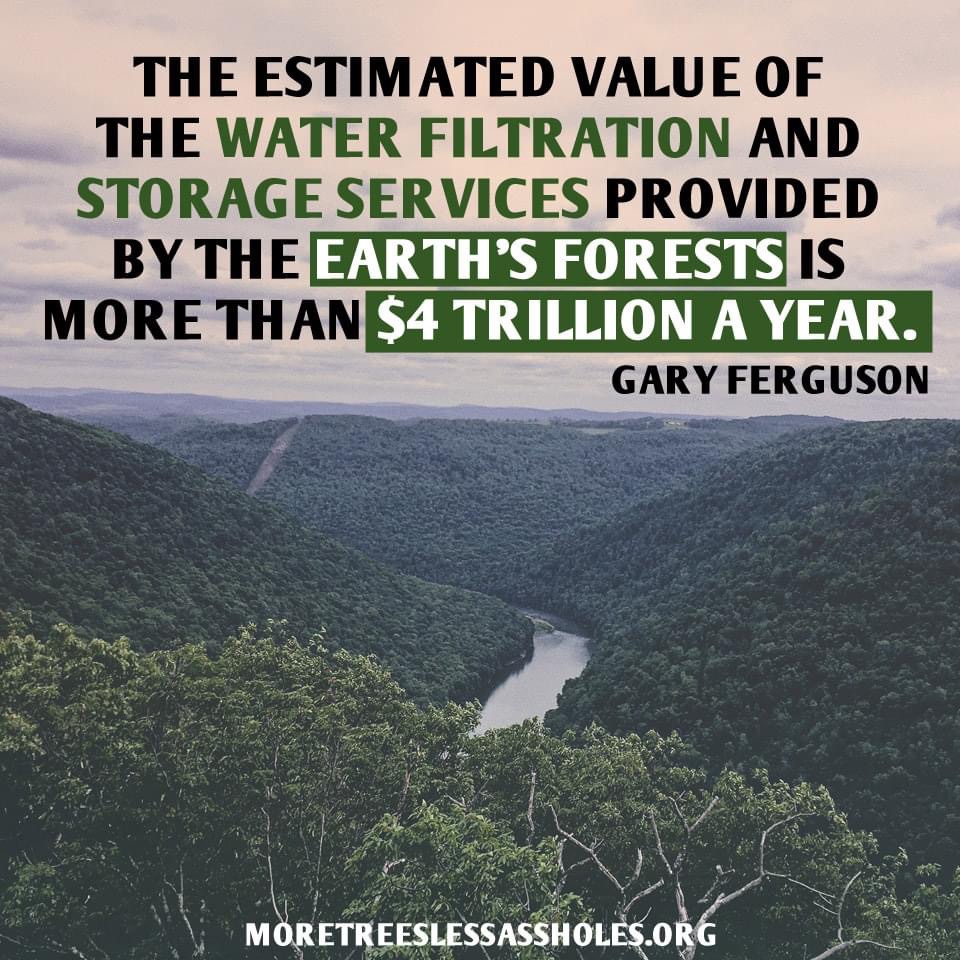
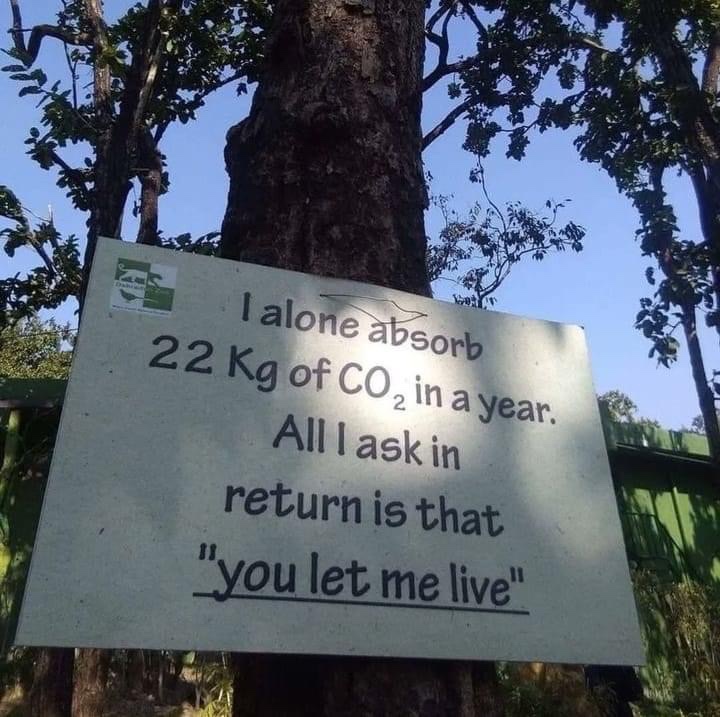
Деревья являются незаменимым природным инструментом круговорота воды, корнями выкачивая глубокие грунтовые воды из недр, выделяя в атмосферу молекулы воды и кислорода в результате транспирации и фотосинтеза.
Активное участие деревьев в осуществлении круговорота воды приведет к увеличению годового количества осадков и, таким образом, станет источником эффективного пополнения водных ресурсов.
Технология бесполивного земледелия голландской компании Groasis уже зарекомендовала себя в экстремальных условиях пустынь, степей, на скалистых рельефах и обеднённых почвах, пострадавших от эрозии.
Одним из основных продуктов компании являются Waterboxx (Вотербокс) многоразовые инкубаторы для выращивания деревьев и плодоовощных культур в экстремальных условиях маловодья за счёт конденсата воды из атмосферы.
Green Light Deserts LTD является официальным дистрибьютором продуктов голландской компании Groasis в Узбекистане и Казахстане.
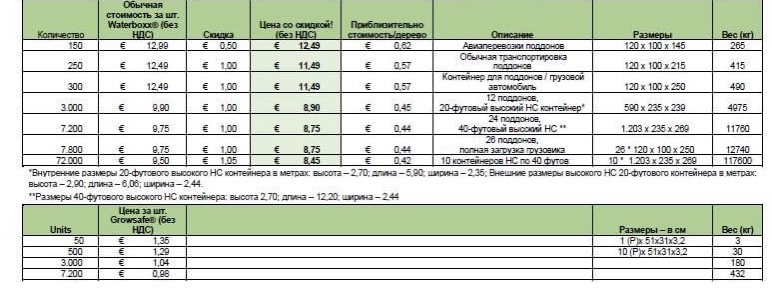
В этом месяце на заводе Groasis есть свободные мощности, поэтому мы можем предложить привлекательную скидку на заказы, которые размещены, оплачены и отправлены в сентябре. Скидка действительна до тех пор, пока продукт есть в наличии.
Предлагаем Вашему вниманию специальное коммерческое предложение от компании Groasis для заказов, выполненных в сентябре, в котором особое внимание уделяется снижению стоимости в расчёте на каждое дерево при покупке определённого количества Вотербоксов с колоссальной экономией средств ввиду отсутствия затрат на ирригацию, бурение артезианских скважин, установку капиллярных систем водоснабжения, термальных и иных насосов и так далее. Цены указаны на условиях EX WORKS.
По вопросам логистики попросите вашего перевозчика забрать поддоны по адресу: De Weyer, Waterbeemd 1, 5705 DN Helmond, Nederland.
Вы также можете связаться с ATL Logistics B.V., или с IAA Fresh, отправив электронное письмо по адресу keanu.vandenende@iaa-fresh.com
Waterboxx® подобен челленджеру по выращиванию деревьев. Это поистине вездеход, который терраформирует самые сложные ландшафты и почвы в условиях резко континентального климата, страдающего от опустынивания и острой нехватки воды.
С уважением, Светлана РАХИМОВА, основатель Green Light Deserts LTD, является официальным дистрибьютором продуктов голландской компании Groasis в Узбекистане и Казахстане. Green Light Deserts LTD — исследовательская и консалтинговая организация, занимающаяся темой эндемичных лесопосадок в Узбекистане и Казахстане с целью восстановления водных ресурсов, биоразнообразия, продовольственной безопасности, сокращения бедности и увеличения возможностей зеленых инвестиций. Вы можете ознакомиться с исследованиями, которые рассматривают лесонасаждения через призму восполнения водных ресурсов путём увеличения осадков: Groasis технология борьбы с опустыниванием: Лесонасаждения и водные ресурсы; Лесонасаждения и водные ресурсы Узбекистана; Инвестиционные возможности для лесопосадок с целью сокращения бедности.
Geneva, 21 April 2023 (WMO) – From mountain peaks to ocean depths, climate change continued its advance in 2022, according to the annual report from the World Meteorological Organization (WMO). Droughts, floods and heatwaves affected communities on every continent and cost many billions of dollars. Antarctic sea ice fell to its lowest extent on record and the melting of some European glaciers was, literally, off the charts.
The State of the Global Climate 2022 shows the planetary scale changes on land, in the ocean and in the atmosphere caused by record levels of heat-trapping greenhouse gases. For global temperature, the years 2015-2022 were the eight warmest on record despite the cooling impact of a La Niña event for the past three years. Melting of glaciers and sea level rise – which again reached record levels in 2022 – will continue to up to thousands of years.
“While greenhouse gas emissions continue to rise and the climate continues to change, populations worldwide continue to be gravely impacted by extreme weather and climate events. For example, in 2022, continuous drought in East Africa, record breaking rainfall in Pakistan and record-breaking heatwaves in China and Europe affected tens of millions, drove food insecurity, boosted mass migration, and cost billions of dollars in loss and damage,” said WMO Secretary-General Prof. Petteri Taalas.
“However, collaboration amongst UN agencies has proven to be very effective in addressing humanitarian impacts induced by extreme weather and climate events, especially in reducing associated mortality and economic losses. The UN Early Warnings for All Initiative aims to fill the existing capacity gap to ensure that every person on earth is covered by early warning services. At the moment about one hundred countries do not have adequate weather services in place. Achieving this ambitious task requires improvement of observation networks, investments in early warning, hydrological and climate service capacities,” he said.
The new WMO report is accompanied by a story map, which provides information for policy makers on how the climate change indicators are playing out, and which also shows how improved technology makes the transition to renewable energy cheaper and more accessible than ever.
In addition to climate indicators, the report focuses on impacts. Rising undernourishment has been exacerbated by the compounded effects of hydrometeorological hazards and COVID-19, as well as of protracted conflicts and violence.
Throughout the year, hazardous climate and weather-related events drove new population displacement and worsened conditions for many of the 95 million people already living in displacement at the beginning of the year, according to the report.
The report also puts a spotlight on ecosystems and the environment and shows how climate change is affecting recurring events in nature, such as when trees blossom, or birds migrate.
The WMO State of the Global Climate report was released ahead of Earth Day 2023. Its key findings echo the message of UN Secretary-General António Guterres for Earth Day.
“We have the tools, the knowledge, and the solutions. But we must pick up the pace. We need accelerated climate action with deeper, faster emissions cuts to limit global temperature rise to 1.5 degree Celsius. We also need massively scaled-up investments in adaptation and resilience, particularly for the most vulnerable countries and communities who have done the least to cause the crisis,” said Mr Guterres.
The WMO report follows the release of the State of the Climate in Europe report by the EU’s Copernicus Climate Change Service. It complements the Intergovernmental Panel on Climate Change (IPCC) Sixth Assessment report, which includes data up to 2020.
Dozens of experts contribute to the report, including National Meteorological and Hydrological Services (NMHSs) and Global Data and Analysis Centers, as well as Regional Climate Centres, the World Climate Research Programme (WCRP), the Global Atmosphere Watch (GAW), the Global Cryosphere Watch and Copernicus Climate Change Service operated by ECMWF.
United Nations partners include the Food and Agriculture Organization of the United Nations (FAO), Intergovernmental Oceanographic Commission of UNESCO (UNESCO-IOC), International Organization for Migration (IOM), the United Nations Environment Programme (UNEP), UN High Commissioner for Refugees (UNHCR), the UN Office for Disaster Risk Reduction (UNDRR) and the World Food Programme (WFP).
Key Messages
Climate Indicators
Global mean temperature in 2022 was 1.15 [1.02 to 1.28] °C above the 1850-1900 average. The years 2015 to 2022 were the eight warmest in the instrumental record back to 1850. 2022 was the 5th or 6th warmest year. This was despite three consecutive years of a cooling La Niña – such a “triple-dip” La Niña has happened only three times in the past 50 years.
Concentrations of the three main greenhouse gases – carbon dioxide, methane, and nitrous oxide – reached record observed highs in 2021, the latest year for which consolidated global values are available (1984-2021). The annual increase in methane concentration from 2020 to 2021 was the highest on record. Real-time data from specific locations show levels of the three greenhouse gases continued to increase in 2022.
Reference glaciers for which we have long-term observations experienced an average thickness change of over −1.3 metres between October 2021 and October 2022. This loss is much larger than the average of the last decade. Six of the ten most negative mass balance years on record (1950-2022) occurred since 2015. The cumulative thickness loss since 1970 amounts to almost 30 m.
The European Alps smashed records for glacier melt due to a combination of little winter snow, an intrusion of Saharan dust in March 2022 and heatwaves between May and early September.
In Switzerland, 6% of the glacier ice volume was lost between 2021 and 2022 – and one third between 2001 and 2022.For the first time in history, no snow survived the summer melt season even at the very highest measurement sites and thus no accumulation of fresh ice occurred. A Swiss weather balloon recorded 0 C at a height of 5 184 m on 25 July, the highest recorded zero-degree line in the 69-year record and only the second time that the height of the zero-degree line had exceeded 5 000 m (16 404 feet). New record temperatures were reported from the summit of Mont Blanc.
Measurements on glaciers in High Mountain Asia, western North America, South America and parts of the Arctic also reveal substantial glacier mass losses. There were some mass gains in Iceland and Northern Norway associated with higher-than-average precipitation and a relatively cool summer.
According to the IPCC, globally the glaciers lost more than 6000 Gt of ice over the period 1993-2019. This represents an equivalent water volume of 75 lakes the size of Lac Leman (also known as Lake Geneva), the largest lake in Western Europe.
The Greenland Ice Sheet ended with a negative total mass balance for the 26th year in a row.
Sea ice in Antarctica dropped to 1.92 million km2 on February 25, 2022, the lowest level on record and almost 1 million km2below the long-term (1991-2020) mean. For the rest of the year, it was continuously below average, with record lows in June and July.
Arctic sea ice in September at the end of the summer melt tied for the 11th lowest monthly minimum ice extent in the satellite record.
Ocean heat content reached a new observed record high in 2022. Around 90% of the energy trapped in the climate system by greenhouse gases goes into the ocean, somewhat ameliorating even higher temperature increases but posing risks to marine ecosystems. Ocean warming rates have been particularly high in the past two decades. Despite continuing La Niña conditions, 58% of the ocean surface experienced at least one marine heatwave during 2022.
Global mean sea level (GMSL) continued to rise in 2022, reaching a new record high for the satellite altimeter record (1993-2022). The rate of global mean sea level rise has doubled between the first decade of the satellite record (1993-2002, 2.27 mm∙yr–) and the last (2013-2022, 4.62 mm∙yr).
For the period 2005-2019, total land ice loss from glaciers, Greenland, and Antarctica contributed 36% to the GMSL rise, and ocean warming (through thermal expansion) contributed 55%. Variations in land water storage contributed less than 10%.
Ocean acidification: CO2 reacts with seawater resulting in a decrease of pH referred to as ‘ocean acidification’. Ocean acidification threatens organisms and ecosystem services. The IPCC Sixth Assessment Report concluded that “There is very high confidence that open ocean surface pH is now the lowest it has been for at least 26 [thousand years] and current rates of pH change are unprecedented since at least that time.
Socio-economic and environmental impacts
Drought gripped East Africa. Rainfall has been below-average in five consecutive wet seasons, the longest such sequence in 40 years. As of January 2023, it was estimated that over 20 million people faced acute food insecurity across the region, under the effects of the drought and other shocks.
Record breaking rain in July and August led to extensive flooding in Pakistan. There were over 1 700 deaths, and 33 million people were affected, while almost 8 million people were displaced. Total damage and economic losses were assessed at US$ 30 billion. July (181% above normal) and August (243% above normal) were each the wettest on record nationally.
Record breaking heatwaves affected Europe during the summer. In some areas, extreme heat was coupled with exceptionally dry conditions. Excess deaths associated with the heat in Europe exceeded 15 000 in total across Spain, Germany, the UK, France, and Portugal.
China had its most extensive and long-lasting heatwave since national records began, extending from mid-June to the end of August and resulting in the hottest summer on record by a margin of more than 0.5 °C. It was also the second-driest summer on record.
Food insecurity: As of 2021, 2.3 billion people faced food insecurity, of which 924 million people faced severe food insecurity. Projections estimated 767.9 million people facing undernourishment in 2021, 9.8% of the global population. Half of these are in Asia and one third in Africa.
Heatwaves in the 2022 pre-monsoon season in India and Pakistan caused a decline in crop yields. This, combined with the banning of wheat exports and restrictions on rice exports in India after the start of the conflict in Ukraine, threatened the availability, access, and stability of staple foods within international food markets and posed high risks to countries already affected by shortages of staple foods.
Displacement: In Somalia, almost 1.2 million people became internally displaced by the catastrophic impacts of drought on pastoral and farming livelihoods and hunger during the year, of whom more than 60 000 people crossed into Ethiopia and Kenya during the same period. Concurrently, Somalia was hosting almost 35 000 refugees and asylum seekers in drought-affected areas. A further 512 000 internal displacements associated with drought were recorded in Ethiopia.
The flooding in Pakistan affected some 33 million people, including about 800 000 Afghan refugees hosted in affected districts. By October, around 8 million people have been internally displaced by the floods with some 585 000 sheltering in relief sites.
Environment: Climate change has important consequences for ecosystems and the environment. For example, a recent assessment focusing on the unique high-elevation area around the Tibetan Plateau, the largest storehouse of snow and ice outside the Arctic and Antarctic, found that global warming is causing the temperate zone to expand.
Climate change is also affecting recurring events in nature, such as when trees blossom, or birds migrate. For example, flowering of cherry blossom in Japan has been documented since AD 801 and has shifted to earlier dates since the late nineteenth century due to the effects of climate change and urban development. In 2021, the full flowering date was 26 March, the earliest recorded in over 1200 years. In 2022, the flowering date was 1 April.
Not all species in an ecosystem respond to the same climate influences or at the same rates. For example, spring arrival times of 117 European migratory bird species over five decades show increasing levels of mismatch to other spring events, such as leaf out and insect flight, which are important for bird survival. Such mismatches are likely to have contributed to population decline in some migrant species, particularly those wintering in sub-Saharan Africa.
Uzbekistan upgraded its Intended Nationally Determined Contributions (INDC) to reduce greenhouse gas emissions per unit of GDP by 35% (instead of the previously envisaged 10%) by 2030 from the 2010 level. The main contributors to greenhouse emissions are energy industry — 76.3% and agriculture — 17.8%. It was documented in COP26 proceedings that by 2030, Uzbekistan pledges to increase its renewable energy output by 25% from the total energy output. It was acknowledged that the average warming rate in Uzbekistan is higher than the global average, glaciers are not replenishing fast enough, and water resources are becoming even more scarce. The emergence of the salt sand desert at the dry bottom of the Aral Sea, which is now called Aralkum, exacerbates the situation and negatively affects the environment of the country.More than 85% of 448,978 sq. km of the total territory of Uzbekistan are occupied by deserts. According to the reliable data, more than 85% of the territory is affected by desertification not including the tugai and mountainous areas. Presentation of the report. There are millions of tons of deep ground water and even fossil water deep under the sands of the deserts. And while not all of that water is good for human consumption, it can be ideal for growing trees.
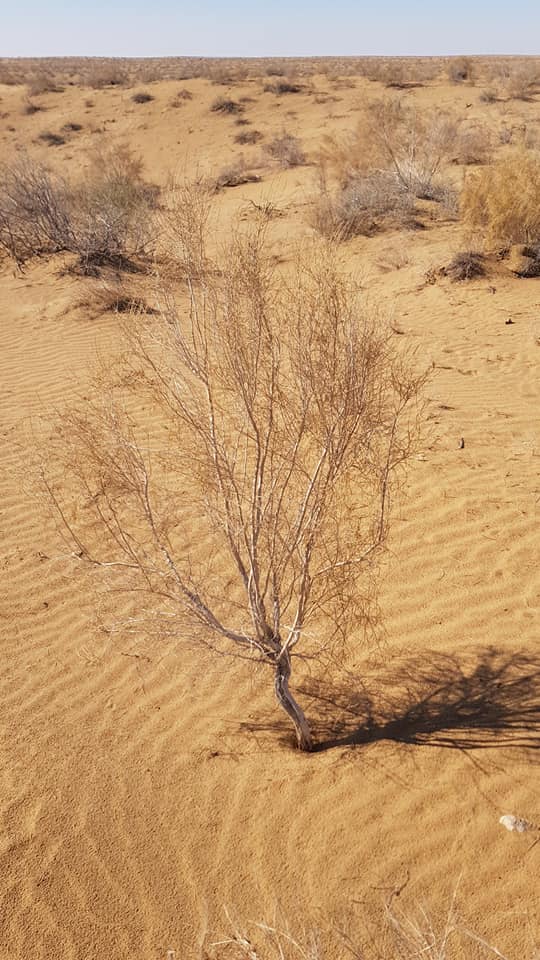
Kyzylkum Desert, Uzbekistan.
Kyzylkum Desert, Uzbekistan.
Kyzylkum Desert. Uzbekistan.
This situation offers opportunities to address climate change in Uzbekistan and obtain funding for it:
The application of the principle of carbon offset mechanism of the CO2 production and sequestration within the country substantiates the large-scale forestation and afforestation of open spaces using aerial seedball planting of endemic trees and other vegetation.
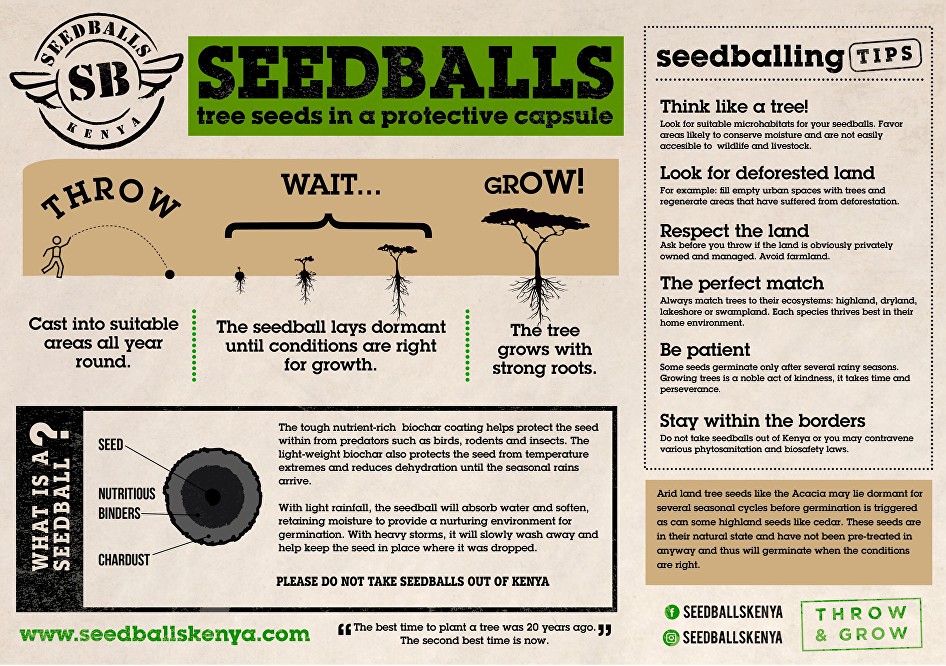
It certainly takes several decades to grow an adult tree for the maximum activation of its CO2 sequestration ability. However, the action of aerial planting of seeds in seedballs can be done in a relatively short period of time because seedball planting is possible round the year.
There are rich water resources trapped in deep aquifers under the deserts and the rest of the territory of Uzbekistan. Not all of that water is suitable for drinking even after special treatment, but it is quite wholesome for trees. These water resources can be “borrowed” from nature by means of solar powered pumps from artesian wells and distributed through capillary irrigation system before the ‘radical roots’ of trees reach the deep-water aquifers and start ‘pumping’ water for their growth on their own. Even young trees can start humidifying the atmosphere through water transpiration.
Groves and forests will generate fogs and precipitation thus humidifying and softening the climate, eliminating dust, holding soil with their roots, protecting organic soil carbon from erosion, preventing dust storms. It will take longer for seasonal bodies of water to evaporate; forest amelioration will activate water cycle thus ending the water scarcity and extreme dry soil and air conditions; will help reclaim land from deserts, will allow for the development of permaculture, fruit forests, maintain and increase the bee population, propagate biodiversity giving life to insects, small mammals, and birds, which together create sustainable ecosystems. Improved grazing practices with regular frequent change of pastures will enhance the vegetation growth.
The first real positive changes for the climate will be felt within 5-10 years of planting forests. Land reclamation will thus strengthen food security of the country enabling to introduce new agricultural methods, new wholesome agricultural produce for domestic consumption and expert, such as honey, fruit, vegetables, and grains, provide forage for the cattle.
A network of artesian wells will be built with solar powered thermal pumps linked to the capillary irrigation system. The capillary irrigation system will be linked to the maintenance network by means of the electronic monitoring system to maintain low pressure, signal if repairs are needed.
Production, repairs, disposal, and recycling of the solar energy equipment components will be created based on the circular economy principles.
Purchase, production, repairs, recycling, disposal of small agricultural aviation, drones for aerial planting of seedballs.
Once trees are established the solar will be moved to increase the size of the forestation or used to light the ecotourism paths, permaculture farms, or by local farmers to power their homes and provide water – they will not be going to waste.
A system of seed collection and production of seedballs will be created.
Localisation of the known low-tech, cost-effective water saving innovations is necessary to produce local analogues at a commercial scale at a fraction of the price such equipment is called and shipped from abroad. To name but a few, water harvesting towers and nets, and water condensation devices.
Organization of community-based forestry cooperatives for collecting seeds of endemic plants and making seedballs, if necessary, organizing seed farms to obtain seeds with the subsequent production of seedballs for the domestic and regional markets of Central Asia, since there are many deserts in Uzbekistan, Kazakhstan, Turkmenistan, and semi-deserts of various scale.
All terrains and regions of Uzbekistan will benefit from different types of forestations with:
– urban forests in urban areas,
– rural forestation in rural areas, including alley cropping across irrigated agricultural plantations in the valleys,
– tugai and deciduous forests in deserts, semi-deserts, steppes,
– forestation of mountainous terrain.
The development of science and education in the context of afforestation in Uzbekistan is receiving a new impetus. Creation of an online university on climate change, digital technologies, and transformational entrepreneurship and a foundation programme
Creation of research and production seed companies for the production of seeds of endemic trees and other plants for forest plantations in Uzbekistan and the Central Asian region.
The rise of solar energy industry due to the need to equip artesian wells with solar-powered pumps for drip irrigation systems.
Development of transformational entrepreneurship, including cooperatives for the collection of seeds of endemic trees and other plants and the production of earthen seed capsules for the domestic and regional market.
Providing public support through active monitoring of the implementation of decisions of the President and the government on combating climate change, developing a “green” economy.
Health benefits will be immense due to cleaner air and water, elimination of dust, amelioration of lands, propagation of wholesome agricultural methods such as permaculture, fruit forests, regular and frequent rotation of pastures, access to ecotourism for international and domestic tourists, etc.
Revival of caring and responsible relationship with nature and environment as part of cultural heritage restoration
Time scale: initial seedballs plantation period between 2 and 5 years and then on-going. First visible results will show within 5-7 years after the plantation of seedballs. Once started the forestation and maintenance of forests will be an on-going process, part of the economy.
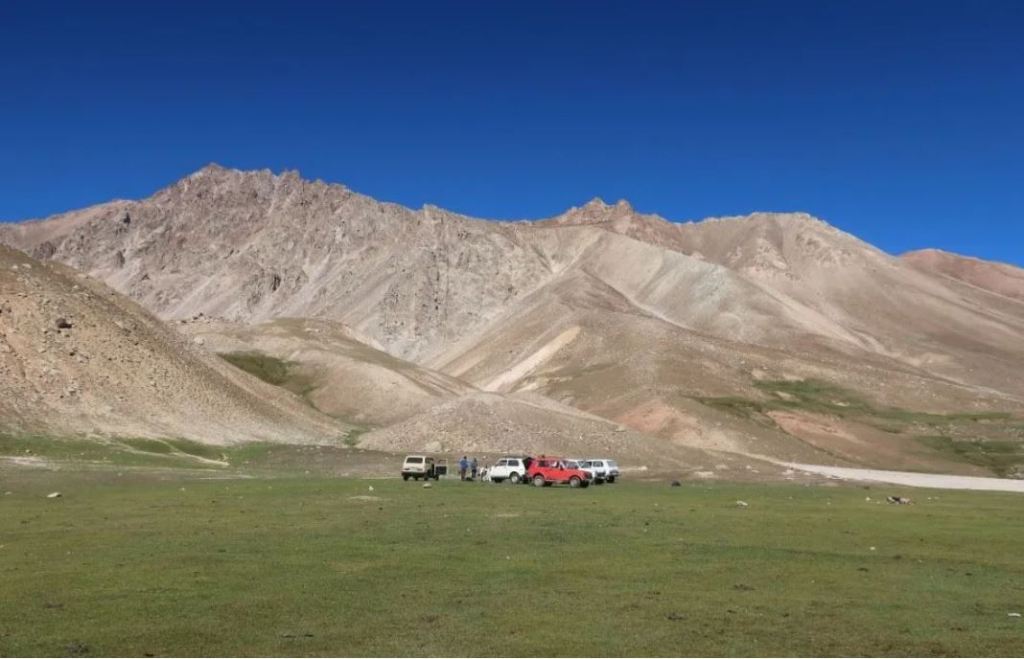
Arashan mountains, Uzbekistan. Place for mountainous forests.
With a total territory of Uzbekistan 448,978 sq. km, more than 85% is occupied by deserts and semi-deserts. It is these massive tracts of bare land that are the most significant sources of soil organic carbon (SOC) and СО2emissions into the atmosphere compared to other sources due to sand dust storms[2][3]. Droughts and scarce water supply lead to further desertification and dust storms, which have become more frequent in recent years. Currently, the dynamic of desertification is such that every minute quite a few square meters of land are added to the deserts in Uzbekistan.[4] Desertification in urban and agricultural areas is mainly manmade, which means it can be stopped and reversed. Dust, which raises into the air from desert and semi-desert soil settles in the lungs of people, in water, agricultural crops and all vegetation, dealing a lot of harm to the available resources and all people without exception even those who live in relatively comfortable urban conditions, let alone rural residents, especially those who live in the deserts, semi-deserts, steppe zones, and the Aral Sea basin. In addition to that, the glaciers storing freshwater reserves in the mountains of Tyan-Shan are melting too fast without sufficient natural replenishment due to climate change[5]. Also, the region of Central Asia will eventually face the consequences of the large-scale tree-cutting and wildfires in the taiga forests of Siberia, which are emitting tonnes of СО2 into the atmosphere in the form of tinder depletion, smoke, soot, and which are gradually leading to partial desertification of the places, which used to be forests.
Bare mountains. No cloud generation. Arashan, Uzbekistan.
However, it is necessary to note that the main source of СО2 rising into the atmosphere is the open soil, the ground that is deprived of its cover whether vegetational or other. Arable farming also leads to massive loss of the organic layer due to the flight of the carbon into the atmosphere because of the perennial root elimination.[1] Gusts of wind raise into the atmosphere billions of tonnes of organic carbon, which is the essential component of the soil. The degradation of soils from unsustainable agriculture and other development has released billions of tons of carbon into the atmosphere.[2]
The attention given to the climate change in the world and significant funding allocated to tackle climate change open opportunities for Uzbekistan to solve the abovementioned issues.
Based on the international practices and the national experience accumulated in Uzbekistan it was possible to develop and formulate a sustainable solution of the above-mentioned problems, which takes into consideration all aspects of the situation, such as an on-going desertification, water scarcity, air pollution, CO2 emissions, need for green jobs, green economy leading to a radical improvement of the situation in the foreseeable future.
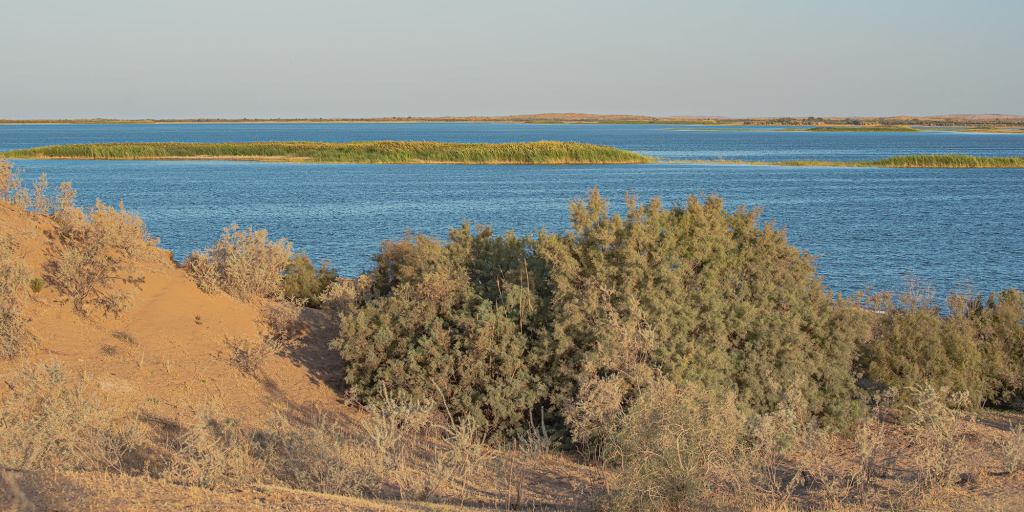
Richer and lusher tugai forests would enhance the ecosystem of Lake Aydarkul, Uzbekistan.
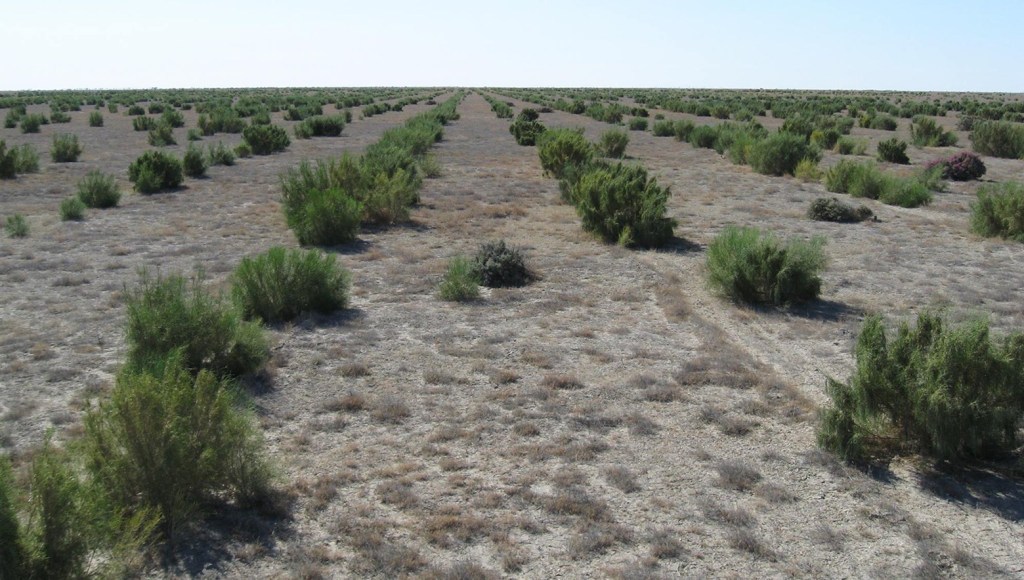
National experience. Afforestation of the dried bottom of the Aral Sea as part of the action to mitigate the consequences of the environmental catastrophe is a good example of an enormous effort undertaken in a short period of time. It not only strives to catch up with the rapid pace of the climate change but also shows how much more needs to be done in the years to come. It is an excellent national pilot, which provides evidence-based results and lessons learnt opening avenues for scaling up the effort. In particular, the results of the aerial sowing method of the haloxylon plantations exceeded the outcomes of other methods by tens and hundreds of times proving to be much more cost-effective and less invasive for the soil, enabling faster and stronger growth of roots as compared to mechanical seeding or manual plantation of saplings in the sand furrows.[1]
International experience. Aerial sowing is very much in agreement with the method of afforestation in the so-called Green Belt of the Sahara Desert and other arid and semi-arid territories of Africa, India, and China. However, the aerial sowing in Africa and India is done with seed balls, or soil capsules with seeds of endemic trees, shrubs, and grass inside them. Since the ancient times, seedballs helped to protect future crops from birds and rodents and emulated enhanced natural conditions of growth for the seeds. Seedballs can be dropped onto the soil in any season of the year where they wait for the right temperature and a modest portion of precipitation to start growing up stems and putting down roots through the capillary ducts in the soil moving towards the deeper water aquifers. The composition of the soil for seedballs is very basic and may or may not include charcoal dusts, hummus, or other enriched protective mixtures.
Currently Uzbekistan is working on the National Climate Change Mitigation Strategy until 2030, which will add to other important government directives in line with international cooperation and economic development while addressing environmental challenges[1]. However, the key to the solution of the problem of ameliorating and restoring the climate, the air and water quality, and land resources is the large-scale forestation of the whole territory of Uzbekistan.
[1] In Uzbekistan, the foundation of the state policy on climate change consists of the Constitution of the Republic of Uzbekistan, UN Framework Convention on Climate Change, Paris Agreement on Climate Change, normative-legislative acts signed by the President and the Government of the Republic of Uzbekistan, such as, Law of the Republic of Uzbekistan “On the ratification of the Paris Agreement” (№ЗРУ-491 dated 02.10.2018.) https://lex.uz/docs/3924451 ; Law of the Republic of Uzbekistan “On the Use of the Renewable Energy” (№ЗРУ-539 dated 21.05.2019.) https://lex.uz/docs/4346835 ; Decree of the President of the Republic of Uzbekistan “On the adoption of the Concept of Environmental Protection of the Republic of Uzbekistan till 2030” (№УП-5863 dated 30.10.2019) https://lex.uz/ru/docs/4574010; Resolution of the President of the Republic of Uzbekistan “On the adoption of the Strategy of the Republic of Uzbekistan on Transition to “Green” Economy for the Period 2019-2030 (№ПП-4477 dated 04.10.2019.) https://lex.uz/ru/docs/4539506 ; Resolution of the Cabinet of Ministers of the Republic of Uzbekistan “On measures for Implementing the National Sustainable Development Goals and Targets” (№ПКМ-841 dated 20.10.2018) https://lex.uz/ru/docs/4013358 . Decree of the President of the Republic of Uzbekistan on the adoption of the agricultural development strategy for the period from 2020 to 2030 №УП-5853 dated 23.10.2019 https://lex.uz/ru/docs/4567337





 Green Light Deserts LTD