Aboveground litter production is an important biogeochemical pathway in forests whereby carbon and nutrients enter soil detrital pools. However, patterns and controls of aboveground litter production are often based on an understanding of how autumnal, foliar inputs are related to aboveground tree production. Here we use three separate data sources of aboveground litter production in temperate forests to ask how aboveground woody productivity affects foliar litter production in light of other factors, such as the climate sensitivity of litter production and the seasonality of not only foliar but also fine woody debris and reproductive litter inputs. We find that foliar litter production increases with aboveground woody production, and this relationship is modified both by plant functional group and climate. Basal area also provides a crucial control on litter production. Conifer forests produce approximately half as much foliar litter as broadleaf deciduous forests. Litter production is sensitive to both among-site and among-year variation in climate, such that more litter is produced in warmer, wetter locations and years. On average 72% of aboveground litter is foliar material, with the remaining split about evenly between fine woody debris and reproductive material, and although about 88% of broadleaf litter falls during autumn, only about 61% of needles, 37% of fine woody debris and 43% of reproductive material falls during the same period. Together these results illustrate key differences in the controls of litter production in coniferous and deciduous forests, and highlight the importance of often overlooked litter fluxes, including non-autumn and non-foliar litterfall. https://link.springer.com/article/10.1007/s10533-022-00988-8
Can you help Mulberry Community Gardens for Silk on the Generosity Network? Every little bit helps!
Creating income from silk cocoon production for disadvantaged communities while fighting desertification in the Jizzak region of Uzbekistan by planting mulberry gardens and food forests. Communities will be trained in tree propagation from seeds & tree cuttings and in silk cocoon production skills using mulberry leaves as forage. The project will grow at least 100,000 trees and help at least 1,000 families, especially women of various age groups. They will have additional seasonal income and start home-based entrepreneurship, connecting in a network of producers, setting up community-based cooperatives. Mulberry trees, elms, halaxylon, camel thorns, tamarisk are all endemic plant species that can grow in the dry and sharply continental climate of the Jizzak province of Uzbekistan. These species are also bee friendly and will help to restore the biodiversity and improve the micro climate for communities. https://www.paypal.com/pools/c/8N88GaI5rz
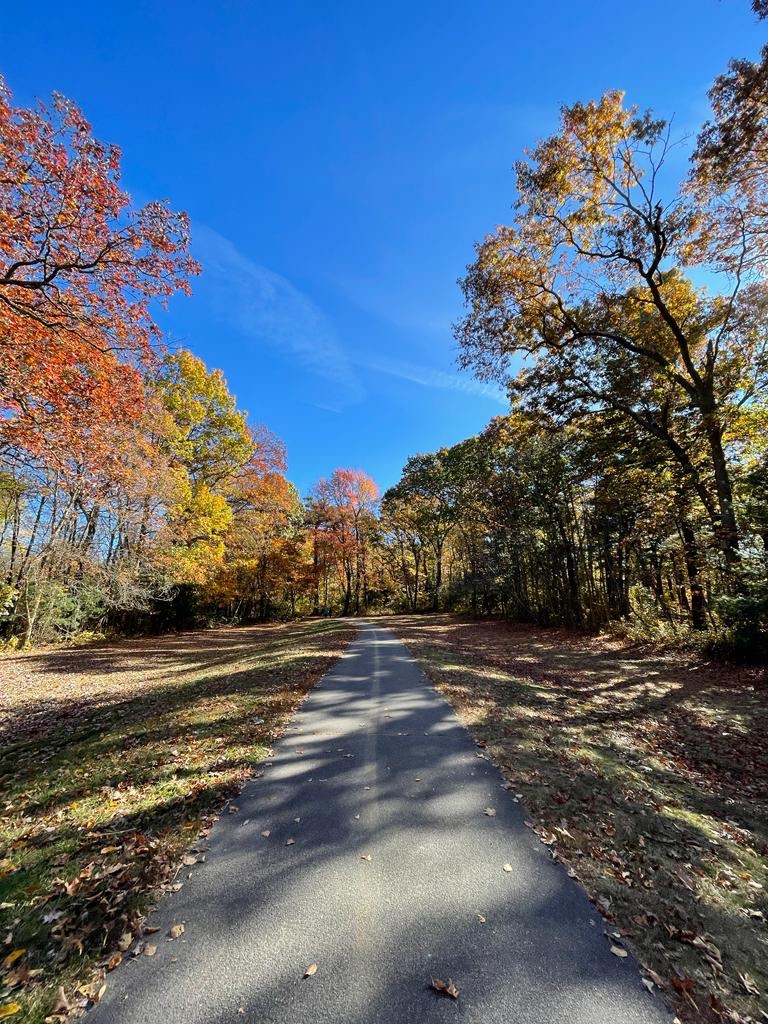
Photos I took during my long-distance walks in Lake District
The UK needs 1.5 billion more trees to help reach its zero carbon emissions target, according to the Committee on Climate Change. Trees help restore wildlife, reduce soil degradation on farms, improve air quality by absorbing pollution, but most importantly, they absorb carbon dioxide from the atmosphere. https://www.oneearth.org › hundred… Hundreds of thousands in Britain join mass tree-planting campaign …
Uzbekistan upgraded its Intended Nationally Determined Contributions (INDC) to reduce greenhouse gas emissions per unit of GDP by 35% (instead of the previously envisaged 10%) by 2030 from the 2010 level. The main contributors to greenhouse emissions are energy industry — 76.3% and agriculture — 17.8%. It was documented in COP26 proceedings that by 2030, Uzbekistan pledges to increase its renewable energy output by 25% from the total energy output. It was acknowledged that the average warming rate in Uzbekistan is higher than the global average, glaciers are not replenishing fast enough, and water resources are becoming even more scarce. The emergence of the salt sand desert at the dry bottom of the Aral Sea, which is now called Aralkum, exacerbates the situation and negatively affects the environment of the country.More than 85% of 448,978 sq. km of the total territory of Uzbekistan are occupied by deserts. According to the reliable data, more than 85% of the territory is affected by desertification not including the tugai and mountainous areas. Presentation of the report. There are millions of tons of deep ground water and even fossil water deep under the sands of the deserts. And while not all of that water is good for human consumption, it can be ideal for growing trees.
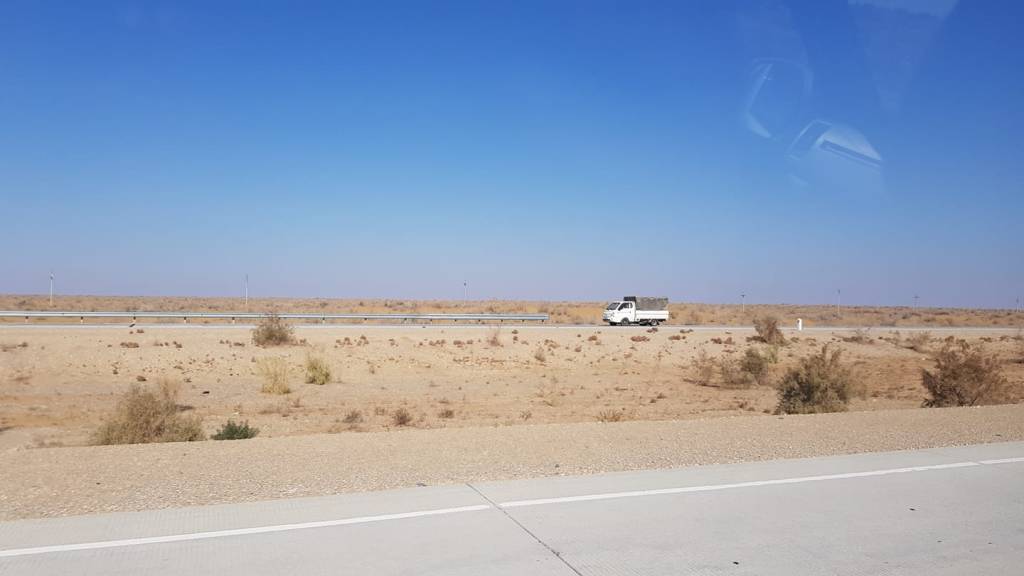
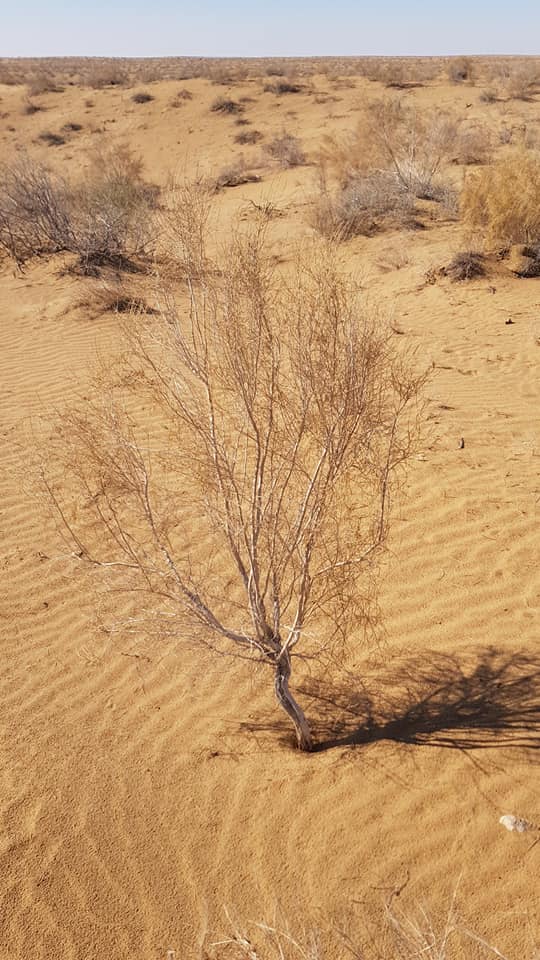
Kyzylkum Desert, Uzbekistan.
Kyzylkum Desert, Uzbekistan.
Kyzylkum Desert. Uzbekistan.
This situation offers opportunities to address climate change in Uzbekistan and obtain funding for it:
The application of the principle of carbon offset mechanism of the CO2 production and sequestration within the country substantiates the large-scale forestation and afforestation of open spaces using aerial seedball planting of endemic trees and other vegetation.
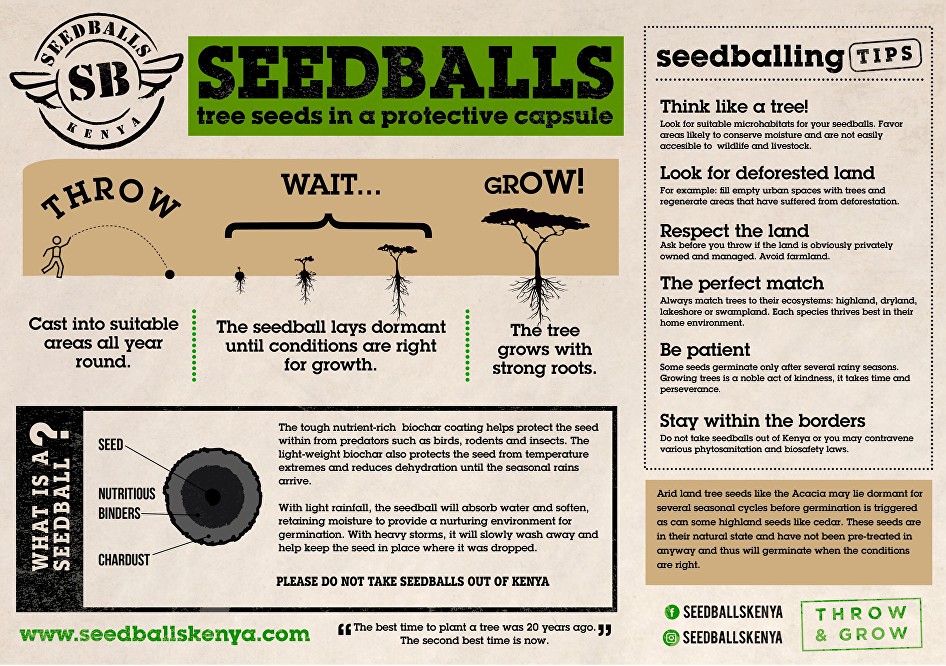
It certainly takes several decades to grow an adult tree for the maximum activation of its CO2 sequestration ability. However, the action of aerial planting of seeds in seedballs can be done in a relatively short period of time because seedball planting is possible round the year.
There are rich water resources trapped in deep aquifers under the deserts and the rest of the territory of Uzbekistan. Not all of that water is suitable for drinking even after special treatment, but it is quite wholesome for trees. These water resources can be “borrowed” from nature by means of solar powered pumps from artesian wells and distributed through capillary irrigation system before the ‘radical roots’ of trees reach the deep-water aquifers and start ‘pumping’ water for their growth on their own. Even young trees can start humidifying the atmosphere through water transpiration.
Groves and forests will generate fogs and precipitation thus humidifying and softening the climate, eliminating dust, holding soil with their roots, protecting organic soil carbon from erosion, preventing dust storms. It will take longer for seasonal bodies of water to evaporate; forest amelioration will activate water cycle thus ending the water scarcity and extreme dry soil and air conditions; will help reclaim land from deserts, will allow for the development of permaculture, fruit forests, maintain and increase the bee population, propagate biodiversity giving life to insects, small mammals, and birds, which together create sustainable ecosystems. Improved grazing practices with regular frequent change of pastures will enhance the vegetation growth.
The first real positive changes for the climate will be felt within 5-10 years of planting forests. Land reclamation will thus strengthen food security of the country enabling to introduce new agricultural methods, new wholesome agricultural produce for domestic consumption and expert, such as honey, fruit, vegetables, and grains, provide forage for the cattle.
A network of artesian wells will be built with solar powered thermal pumps linked to the capillary irrigation system. The capillary irrigation system will be linked to the maintenance network by means of the electronic monitoring system to maintain low pressure, signal if repairs are needed.
Production, repairs, disposal, and recycling of the solar energy equipment components will be created based on the circular economy principles.
Purchase, production, repairs, recycling, disposal of small agricultural aviation, drones for aerial planting of seedballs.
Once trees are established the solar will be moved to increase the size of the forestation or used to light the ecotourism paths, permaculture farms, or by local farmers to power their homes and provide water – they will not be going to waste.
A system of seed collection and production of seedballs will be created.
Localisation of the known low-tech, cost-effective water saving innovations is necessary to produce local analogues at a commercial scale at a fraction of the price such equipment is called and shipped from abroad. To name but a few, water harvesting towers and nets, and water condensation devices.
Organization of community-based forestry cooperatives for collecting seeds of endemic plants and making seedballs, if necessary, organizing seed farms to obtain seeds with the subsequent production of seedballs for the domestic and regional markets of Central Asia, since there are many deserts in Uzbekistan, Kazakhstan, Turkmenistan, and semi-deserts of various scale.
All terrains and regions of Uzbekistan will benefit from different types of forestations with:
– urban forests in urban areas,
– rural forestation in rural areas, including alley cropping across irrigated agricultural plantations in the valleys,
– tugai and deciduous forests in deserts, semi-deserts, steppes,
– forestation of mountainous terrain.
The development of science and education in the context of afforestation in Uzbekistan is receiving a new impetus. Creation of an online university on climate change, digital technologies, and transformational entrepreneurship and a foundation programme
Creation of research and production seed companies for the production of seeds of endemic trees and other plants for forest plantations in Uzbekistan and the Central Asian region.
The rise of solar energy industry due to the need to equip artesian wells with solar-powered pumps for drip irrigation systems.
Development of transformational entrepreneurship, including cooperatives for the collection of seeds of endemic trees and other plants and the production of earthen seed capsules for the domestic and regional market.
Providing public support through active monitoring of the implementation of decisions of the President and the government on combating climate change, developing a “green” economy.
Health benefits will be immense due to cleaner air and water, elimination of dust, amelioration of lands, propagation of wholesome agricultural methods such as permaculture, fruit forests, regular and frequent rotation of pastures, access to ecotourism for international and domestic tourists, etc.
Revival of caring and responsible relationship with nature and environment as part of cultural heritage restoration
Time scale: initial seedballs plantation period between 2 and 5 years and then on-going. First visible results will show within 5-7 years after the plantation of seedballs. Once started the forestation and maintenance of forests will be an on-going process, part of the economy.
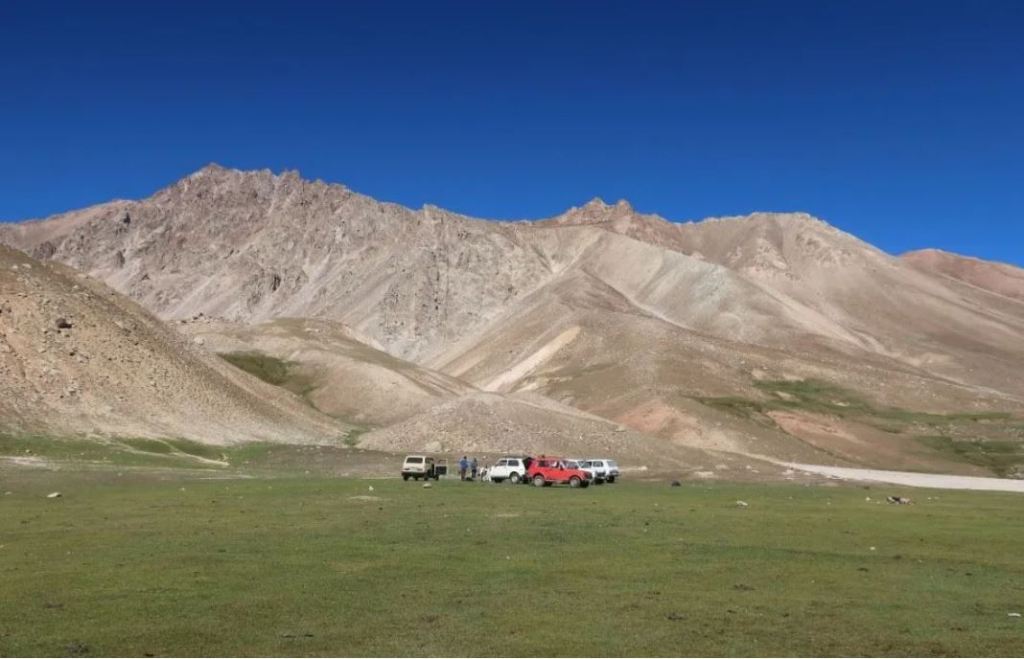
Arashan mountains, Uzbekistan. Place for mountainous forests.
With a total territory of Uzbekistan 448,978 sq. km, more than 85% is occupied by deserts and semi-deserts. It is these massive tracts of bare land that are the most significant sources of soil organic carbon (SOC) and СО2emissions into the atmosphere compared to other sources due to sand dust storms[2][3]. Droughts and scarce water supply lead to further desertification and dust storms, which have become more frequent in recent years. Currently, the dynamic of desertification is such that every minute quite a few square meters of land are added to the deserts in Uzbekistan.[4] Desertification in urban and agricultural areas is mainly manmade, which means it can be stopped and reversed. Dust, which raises into the air from desert and semi-desert soil settles in the lungs of people, in water, agricultural crops and all vegetation, dealing a lot of harm to the available resources and all people without exception even those who live in relatively comfortable urban conditions, let alone rural residents, especially those who live in the deserts, semi-deserts, steppe zones, and the Aral Sea basin. In addition to that, the glaciers storing freshwater reserves in the mountains of Tyan-Shan are melting too fast without sufficient natural replenishment due to climate change[5]. Also, the region of Central Asia will eventually face the consequences of the large-scale tree-cutting and wildfires in the taiga forests of Siberia, which are emitting tonnes of СО2 into the atmosphere in the form of tinder depletion, smoke, soot, and which are gradually leading to partial desertification of the places, which used to be forests.
Bare mountains. No cloud generation. Arashan, Uzbekistan.
However, it is necessary to note that the main source of СО2 rising into the atmosphere is the open soil, the ground that is deprived of its cover whether vegetational or other. Arable farming also leads to massive loss of the organic layer due to the flight of the carbon into the atmosphere because of the perennial root elimination.[1] Gusts of wind raise into the atmosphere billions of tonnes of organic carbon, which is the essential component of the soil. The degradation of soils from unsustainable agriculture and other development has released billions of tons of carbon into the atmosphere.[2]
The attention given to the climate change in the world and significant funding allocated to tackle climate change open opportunities for Uzbekistan to solve the abovementioned issues.
Based on the international practices and the national experience accumulated in Uzbekistan it was possible to develop and formulate a sustainable solution of the above-mentioned problems, which takes into consideration all aspects of the situation, such as an on-going desertification, water scarcity, air pollution, CO2 emissions, need for green jobs, green economy leading to a radical improvement of the situation in the foreseeable future.
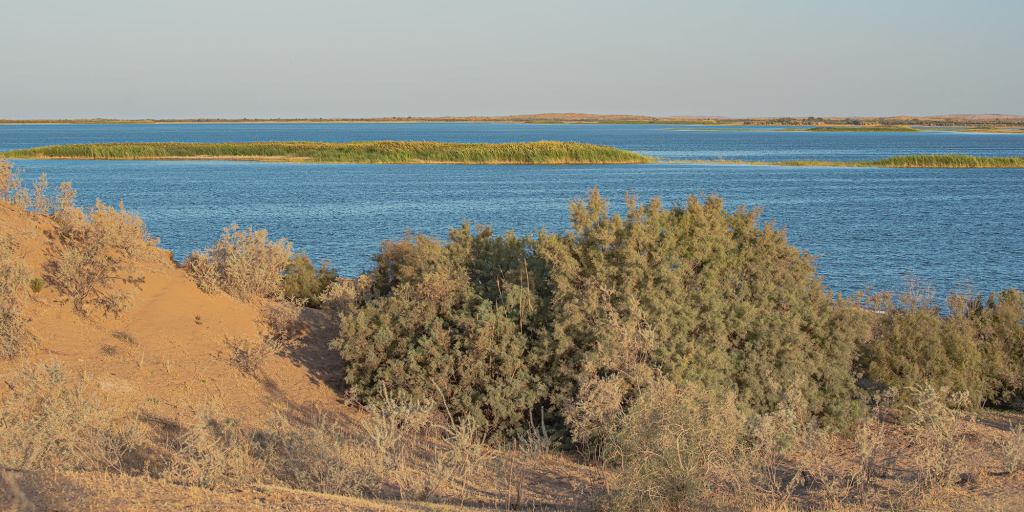
Richer and lusher tugai forests would enhance the ecosystem of Lake Aydarkul, Uzbekistan.
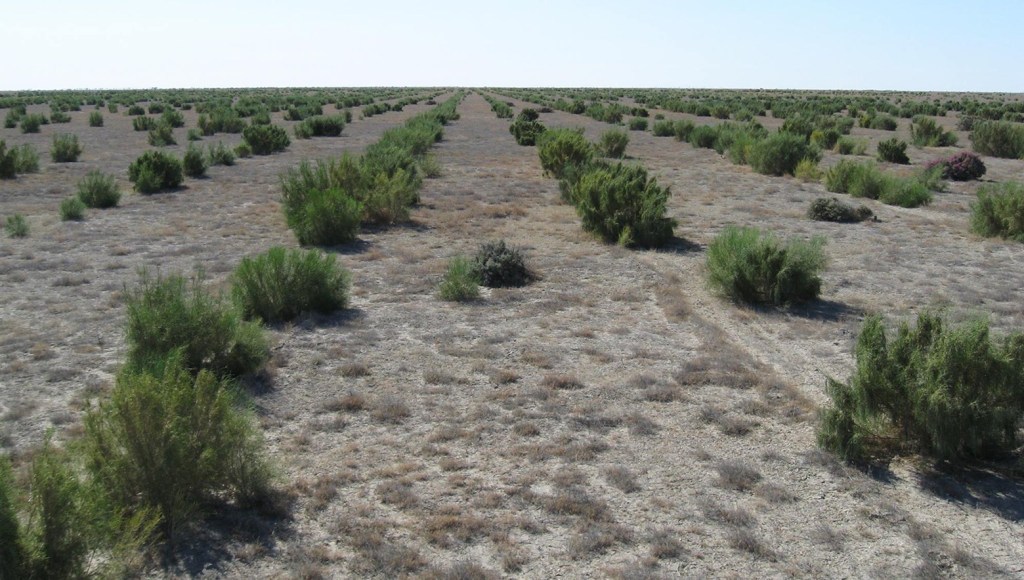
National experience. Afforestation of the dried bottom of the Aral Sea as part of the action to mitigate the consequences of the environmental catastrophe is a good example of an enormous effort undertaken in a short period of time. It not only strives to catch up with the rapid pace of the climate change but also shows how much more needs to be done in the years to come. It is an excellent national pilot, which provides evidence-based results and lessons learnt opening avenues for scaling up the effort. In particular, the results of the aerial sowing method of the haloxylon plantations exceeded the outcomes of other methods by tens and hundreds of times proving to be much more cost-effective and less invasive for the soil, enabling faster and stronger growth of roots as compared to mechanical seeding or manual plantation of saplings in the sand furrows.[1]
International experience. Aerial sowing is very much in agreement with the method of afforestation in the so-called Green Belt of the Sahara Desert and other arid and semi-arid territories of Africa, India, and China. However, the aerial sowing in Africa and India is done with seed balls, or soil capsules with seeds of endemic trees, shrubs, and grass inside them. Since the ancient times, seedballs helped to protect future crops from birds and rodents and emulated enhanced natural conditions of growth for the seeds. Seedballs can be dropped onto the soil in any season of the year where they wait for the right temperature and a modest portion of precipitation to start growing up stems and putting down roots through the capillary ducts in the soil moving towards the deeper water aquifers. The composition of the soil for seedballs is very basic and may or may not include charcoal dusts, hummus, or other enriched protective mixtures.
Currently Uzbekistan is working on the National Climate Change Mitigation Strategy until 2030, which will add to other important government directives in line with international cooperation and economic development while addressing environmental challenges[1]. However, the key to the solution of the problem of ameliorating and restoring the climate, the air and water quality, and land resources is the large-scale forestation of the whole territory of Uzbekistan.
[1] In Uzbekistan, the foundation of the state policy on climate change consists of the Constitution of the Republic of Uzbekistan, UN Framework Convention on Climate Change, Paris Agreement on Climate Change, normative-legislative acts signed by the President and the Government of the Republic of Uzbekistan, such as, Law of the Republic of Uzbekistan “On the ratification of the Paris Agreement” (№ЗРУ-491 dated 02.10.2018.) https://lex.uz/docs/3924451 ; Law of the Republic of Uzbekistan “On the Use of the Renewable Energy” (№ЗРУ-539 dated 21.05.2019.) https://lex.uz/docs/4346835 ; Decree of the President of the Republic of Uzbekistan “On the adoption of the Concept of Environmental Protection of the Republic of Uzbekistan till 2030” (№УП-5863 dated 30.10.2019) https://lex.uz/ru/docs/4574010; Resolution of the President of the Republic of Uzbekistan “On the adoption of the Strategy of the Republic of Uzbekistan on Transition to “Green” Economy for the Period 2019-2030 (№ПП-4477 dated 04.10.2019.) https://lex.uz/ru/docs/4539506 ; Resolution of the Cabinet of Ministers of the Republic of Uzbekistan “On measures for Implementing the National Sustainable Development Goals and Targets” (№ПКМ-841 dated 20.10.2018) https://lex.uz/ru/docs/4013358 . Decree of the President of the Republic of Uzbekistan on the adoption of the agricultural development strategy for the period from 2020 to 2030 №УП-5853 dated 23.10.2019 https://lex.uz/ru/docs/4567337




 Green Light Deserts LTD