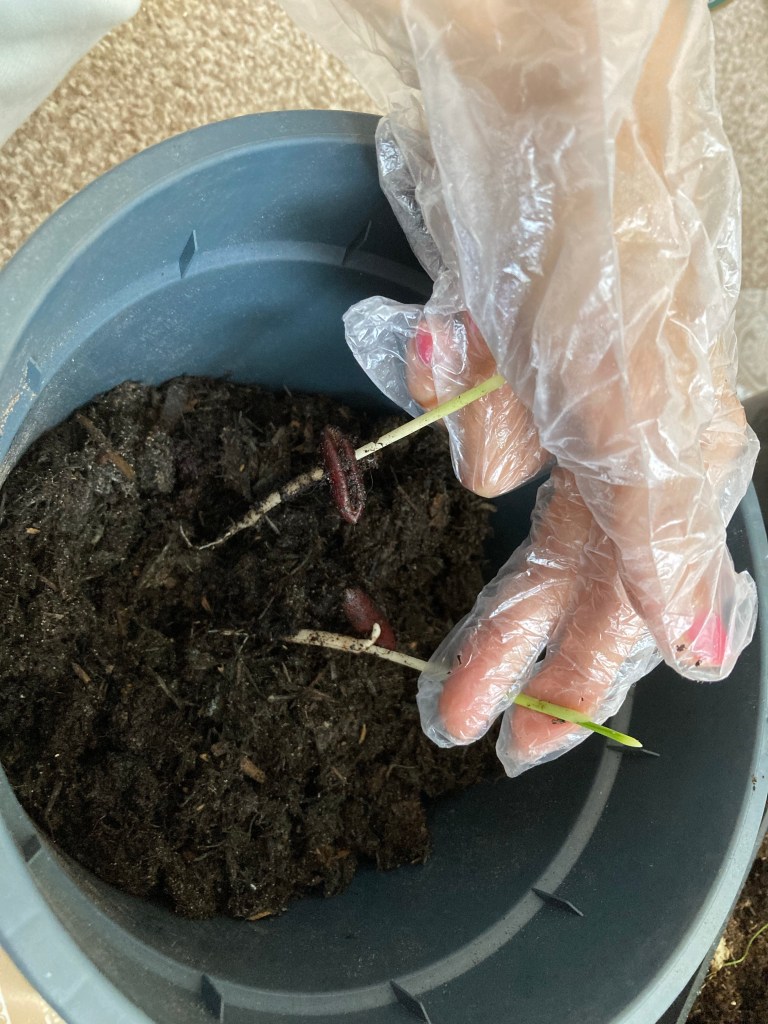
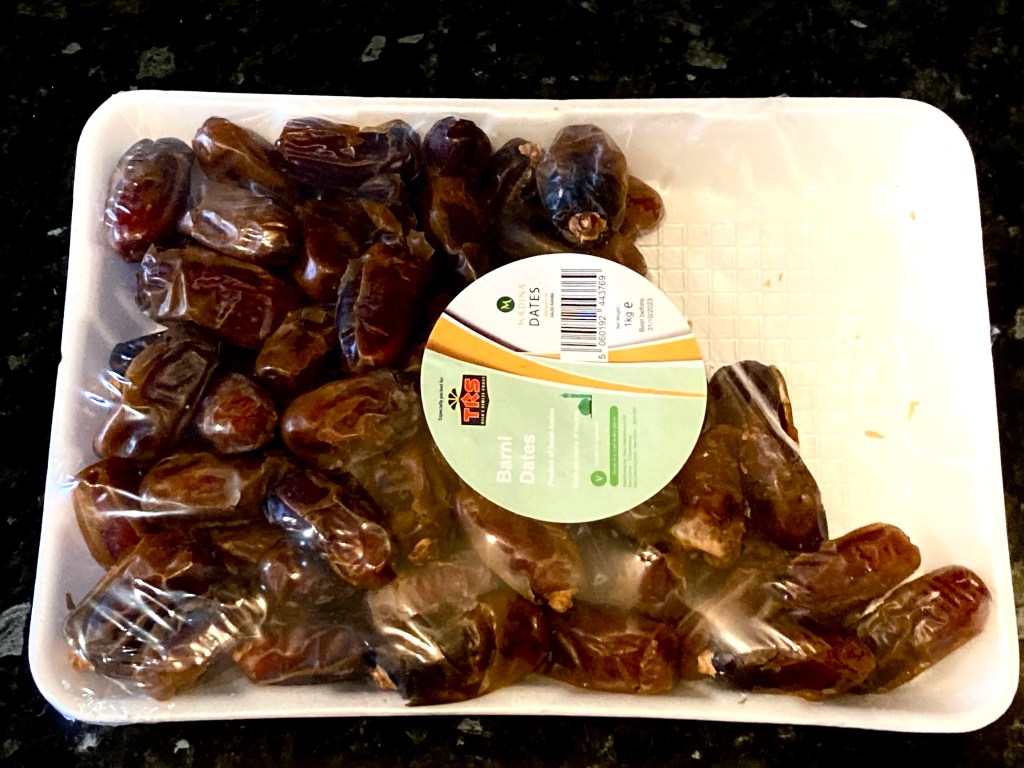
Did you know that you can grow a fruit-bearing date palm tree from a seed? The overwhelming majority of fruit trees either need grafting or have to grow from a sapling, a young tree grown from a special cutting or from an offspring from the root of the main tree. Not dates. All you need is to soak the seeds for a few days before planting. The roots are utterly strong, straight and very-very long, well-equipped to dig deep into the earth down to the water table under the “barren” sand or soil of any kind and procure their own water independently. Date palm trees need plenty of sunshine and warm temperatures, they can survive a few degrees below zero colds. The abundance of the nature is mind-blowing. Imagine a tree, which starts bearing fruit only 4-5 years after planting a seed. Then year after year it develops its full potential of yielding 40-80 kg of fruit per year.
How much of human stupidity and self-harm it should take to destroy the nature? Well, plenty.
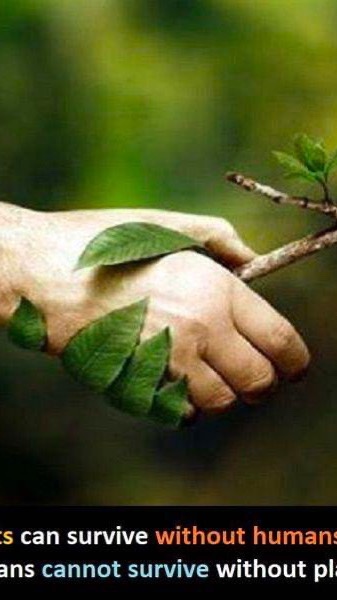
Long, straight, strong, and fast growing roots run downwards to procure themselves water from a deep water table under the “barren” soil.The abundance of the nature is mind-blowing.
Как фермеры и учёные Узбекистана борются с изменением климата
Шарафиддин Мусаев выращивает ореховые плантации на выжженных солнцем холмах Китаба, тратя лишь 17 литров воды на саженец в год. Когда-то эти земли покрывали леса, но население вырубило их на топливо. Тем не менее, деревья можно вернуть даже без влаги. Как это сделать — в репортаже Сабины Бакаевой.
«Через 50 лет вы будете убивать друг друга за воду»
— так мой знакомый, занимающийся сельским хозяйством в родном Южном полушарии, говорит о центральноазиатском водном кризисе.
Мы, жители Ташкента, в отличие от регионов и соседних столиц, чудом не ощущаем нехватку питьевой воды. Поэтому можем себе позволить поливать ей свои дворы, мыть машины, впустую лить её из крана.
Надолго ли?
РОДИНА ФИСТАШКИ
Я еду в Кашкадарьинскую область через Китабский перевал. Сейчас середина мая. После горячего равнинного воздуха и пейзажей цвета соломы здесь свежо и зелено. Прохладный ветер шумно бьёт в окно машины. Закладывает уши. Высота 1500 м над уровнем моря. Отсюда видно, что в 700 вертикальных метров ниже холмы уже выгорели. На солнце +40. Сейчас середина мая.
«Раньше здесь всё было в фисташковых лесах, — говорит Алексей Волков, национальный координатор Программы малых грантов Глобального экологического фонда (ПМГ ГЭФ) в Узбекистане. — Из-за отсутствия альтернативного топлива местные жители вырубили деревья: сначала мужские, потому что те не давали урожай, потом женские — когда они перестали плодоносить из-за отсутствия мужских».
Но деревья можно и нужно вернуть. Они критически важны для нашей страны, которая на 80% состоит из пустынь. Вот только их нужно не просто сажать, а растить до взрослого состояния. Сделать это в засушливой зоне трудно. Но можно. Для этого нужно сажать приспособленные к этим климатическим условиям виды, которые смогут здесь выжить, — не тополя и ёлочки, а то, что росло здесь раньше.
Исконно наши виды деревьев на выжженных холмах Китабского района выращивает Шарофиддин Мусаев. Во владениях фермера 70 га богарных предгорий — земель, где можно сажать только те виды, которые не требуют полива, потому что здесь нет воды. Раньше все его 70 га занимала богарная пшеница — культура хилая, с нежирным зерном и низкой урожайностью, которая истощает землю и не приносит фермерам денег.
В 2020 году команда ПМГ ГЭФ рекомендовала фермеру посадить здесь деревья, которые могут расти без воды и приносят «кучу денег» — фисташку и миндаль. Но и этим видам на первых порах необходима вода.
Эксперты предложили использовать водные короба, или вотербоксы, — пластиковые тазы с отверстиями для саженца в центре и для полива с краю. В последнее продет синтетический шнурок, который медленно передаёт влагу из таза к корням дерева.
В вотербокс помещается лишь 17 литров воды. Чтобы вода не испарялась, его закрывают двумя крышками: первая собирает конденсат испаряемой воды и возвращает её в таз, а на второй, ребристой, скапливается роса и стекает в ёмкость. Чтобы предотвратить испарение, таз нужно утапливать в грунте.
Весь секрет водных коробов — в пластике. Он не содержит тяжёлых металлов, может служить до 20 лет, тогда как наш пластик рассыхается за лето. Поэтому эти тазы стоят по 12 долларов за штуку — сумма ощутимая, если покупаешь тысячи. Но расходы окупают себя, когда создаются высокодоходные сады. Кроме того, рынок предлагает разные типы вотербоксов от разных производителей по разной цене. Для тестирования коробов в реальных условиях на помощь Шарофиддину Мусаеву пришла Программа малых грантов.
ПМГ финансирует те проекты, что представляют выгоду для природы в рамках областей, по которым работает ГЭФ: изменение климата, устойчивое землепользование, водные ресурсы, зелёные города.
«Мне рассказывали, что когда начинался “Яшил макон”, одна организация посадила 30 тысяч тополей в пустыне — деньги на ветер. Наша философия в том, что проекты должны жить после нас», — говорит Алексей о втором критерии — устойчивости.
Ещё одно условие — инновационный подход. «Мы не будем финансировать проект по замене железных труб на пластиковые или посадке простого сада, — поясняет он. — Мы помогаем внедрить то, что по каким-то причинам в Узбекистане пока не работает, но может заработать, если дать такой технологии толчок».
Условие инновационного подхода неразрывно связано с условием масштабирования проекта. ГЭФ стремится финансировать полезные для природы, устойчивые и инновационные начинания, которые можно распространить на всю страну, которую подхватят другие люди за рамками проекта.
Успешное масштабирование получилось с фисташкой. 15 лет назад ПМГ ГЭФ даже привлекла экономистов, чтобы доказать фермерам выгоду «фисташкового землепользования».
«В первые 7-8 лет фермер ничего не получит, потому что фисташка начинает плодоносить на 7-10 год. Но за 20 лет её выращивание на богарных землях оказывается в 20-50 раз выгоднее разведения скота и выращивания зерна или чего бы то ни было. Для земли наличие лесного покрова лучше скота и зерна, потому что выращивание фисташки предотвращает деградацию земель, возвращает почву к жизни, — говорит Алексей Волков. — Голландия, где не растёт ни одного фисташкового дерева, зарабатывает на реэкспорте фисташки больше нас. Мы же можем зарабатывать на ней миллиарды, потому что мы — родина фисташки».
За 15 лет проекты ПМГ ГЭФ провели десятки фисташковых семинаров, научили фермеров сажать и растить эти деревья. И сейчас каждый год растение высаживается на 6-10 тысячах га. Ещё минимум 3 миллиона га земель Узбекистана ждут, когда их накроет тень мелколистной кроны фисташковых деревьев.
ДЕРЕВЬЯ ВЕРНУТ ВОДУ
Шарофиддин Мусаев получил грант ПМГ ГЭФ на использование водных коробок, но вместо фисташки решил посадить по 400 саженцев грецкого ореха, вишни и миндаля.
«Мы его отговаривали от вишни, сразу говорили, что она не выживет. Но он решил сделать по-своему, потому что “внизу растёт”», — вспоминает Алексей Волков. Вишня погибла.
Грецкий орех фермер посадил по «настойчивой рекомендации» хокимията.
«Половина прижилась, и этим деревьям придётся туго, поскольку они любят воду. Грецкий орех растёт там, где достаточно естественной влаги. Это не культура для засушливых, солнечных территорий», — предсказывает Волков.
Шарофиддин Мусаев с сыном и командой ПМГ ГЭФ
А миндаль — второй по засухоустойчивости после фисташки — прижился на 75%. В предстоящем ноябре фермер планирует посадить 1600 саженцев миндаля и фисташки, используя вотербоксы.
«
«Если посадить деревья весной, то короба нужно наполнять два раза в год — выходит 34 литра воды на саженец, — пояснил Шарофиддин Мусаев. — Но мы выяснили, что если сажать их осенью, то зимой саженец питается водой из почвы, а таз заполняется осадками. Потом летом один раз наполняем его — и всё».
»
Чтобы корневая система деревьев окрепла, саженцам достаточно находиться в вотербоксах два года. Затем растение начинает питаться водой из почвы, и больше никогда не требует искусственного орошения.
По словам Шарофиддина Мусаева, технологией заинтересовались дехкане соседних хозяйств. Они хотят использовать водные короба на своих землях. Кенгаш фермеров даже проводил семинар по их использованию. Сработал эффект масштабирования.
Вотербоксы хороши многоразовым использованием, говорит Алексей Волков. Посадил в коробках 2000 деревьев, через два года посадил ещё 2000.
«
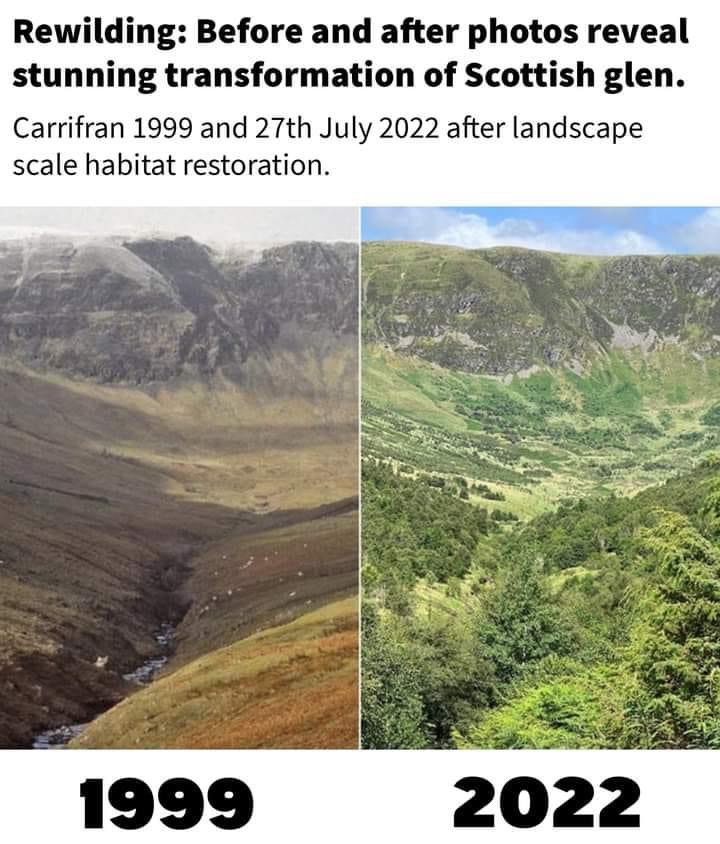
«Так можно покрыть все холмы и предгорья, где больше ничего, что приносило бы хорошие деньги местному населению, расти не будет. Люди думают, что деревья там, где вода. На самом деле, вода — там, где деревья. Они притягивают воду, работая как насосы: корнями уходят глубоко в землю и качают воду. Деревья вернут воду».
»
Для этого, правда, есть важное условие: её нужно беречь. Нерациональный расход воды привёл к дефициту и неравномерному распределению источника жизни. Поскольку мы всё ещё не используем водосберегающие технологии, беспощадно осваиваем русла рек, орошаем земли самым расточительным, напускным методом, вода кончается на поверхности, и мы добываем её из-под земли. Но бережём ли эту, последнюю?
Алексей Волков говорит, что сейчас правительство разрешило бурить скважины везде, где есть грунтовые воды. И несмотря на страшный дефицит воды, каждый фермер, получающий к ней доступ, пытается подать на поле как можно больше жидкости.
Скважина есть и у Шарофиддина Мусаева. Труба воткнута на глубину 120 метров. Под весенним пеклом бутилированная вода в машине нагрелась. Пить её тошно. Фермер открывает для нас вентиль, и мы долго ждём, когда мать-Земля согласится напоить нас.
«Дайте грант на оборудование для газирования воды, — говорит дехканин. Из шланга доносится захлебывающийся звук. — Будем делать минеральную воду».
В его просьбе слышно больше, чем хотелось бы: если сейчас фермер не тратит воду бездумно, то появись возможность заработать на ней, он заработает. Так на его месте поступил бы каждый, потому что вода ещё не озвучила нам свою цену, а мы страшимся хотя бы спросить.
Алексей вспоминает, как один из фермеров уповал на скважину и грунтовые воды, как его отговаривали от расточительства, предсказывая, что вода уйдёт вглубь. Фермер не верил, а вода ушла.
«Если грунтовые воды уходят вниз, меняется вся наземная экосистема. Плюс вода держит грунт, поэтому при откачке внутри грунта будут образовываться пустоты. Снижение уровня подземных вод изменит почву, её структуру. В итоге на поверхности начнётся опустынивание. Сейчас богара, но полностью покрытая растениями, земля живёт. А если вода уйдёт, ничего не будет, только грунт. Подземные воды восстанавливаются долго, потому что формируются миллионы лет», — говорит Алексей Волков.
Я слышу слова своего знакомого из Южного полушария.
ВЕЧНОЕ ДЕРЕВО
Майская фисташка мягкая и розовая. Плод мясистый, с кислинкой, пахнет родственным манго. Таких деревьев на территории опорного пункта Республиканского научно-производственного центра декоративного садоводства и лесного хозяйства в Галляаральском районе Джизакской области 30 га. Треть из них — деревья особенные — отцы и матери большинства фисташковых плантаций в Узбекистане. Потребность в создании такой маточной плантации возникла в 2011 году, когда ПМГ ГЭФ завершила один из первых успешных проектов в Узбекистане.
По его итогам простой фермер из Джизакской области Бастамкул Саидкулов посадил вместе с односельчанами 40 га фисташкового леса, хотя приходил в ПМГ ГЭФ с просьбой помочь в покупке труб, чтобы провести к своей земле воду и вырастить сад. Но Алексей Волков ещё 15 лет назад знал: вода кончается и кончается быстро. Бастамкулу Саидкулову рекомендовали фисташку, которая не требует полива и приносит хорошую прибыль.
Поскольку реализация проекта выявила большой интерес населения и местной власти к этой культуре, учёные лесхоза подали заявку на получение финансирования ПМГ ГЭФ для создания на территории опорного пункта маточной плантации сортовой фисташки. Программа одобрила проект, и за 12 лет потомство галляаральской фисташки распространилось по всей стране.
Лесхоз изначально служил местом выращивания сортовой фисташки. Её крупнейшая в Центральной Азии коллекция представлена именно здесь. Созданием этой коллекции многие годы занималась группа учёных, возглавляла которую Мисс Фисташка — Галина Чернова, посвятившая «зелёному золоту» более 50 лет своей жизни. Фисташковая команда Института лесного хозяйства приложила много усилий для распространения знаний об этом дереве. Но до 2008 года старания были безуспешными, поскольку первый урожай нужно ждать долго — 7-10 лет.
Мисс Фисташка. Фото: sgp.uz
«Это время исключительных расходов, что делает фисташководство очень рискованным делом, хотя фисташка — вечное дерево. Это пенсионный фонд фермеров и хорошее наследство, потому что она плодоносит тысячу лет, а наша фисташка — лучшая в мире, и мы можем зарабатывать на ней больше Турции, Ирана и Голландии», — говорит Алексей Волков.
Чтобы фермерам было выгодно сажать вечное дерево, один из создаталей галляаральской маточной плантации, Евгений Ботман, предложил вырастить миндальный маточник. Первый урожай миндаля, в отличие от фисташки, нужно ждать три года, хотя плодоносит он всего 20 лет. Поэтому лесники рекомендует сажать эти засухоустойчивые и прибыльные культуры вместе.
«Когда миндаль перестанет приносить деньги, начнёт фисташка», — говорит Евгений Ботман.
Евгений Ботман и с командой ПМГ ГЭФ
Однако сегодня фермерам негде взять образцы сортов сладкого миндаля для создания своих плантаций. В советские годы несколько сортов создали учёные НИИ плодоводства и виноградарства имени Шредера, но в 90-е работы приостановились. Сегодня на миндальных участках института Шредера деревья в силу возраста погибают. Черенки для размножения с оставшихся экземпляров получить стало трудно.
Поэтому Евгений Ботман вместе с командой лесников запросил в ПМГ ГЭФ ещё один грант. На выделенные средства команда учёных объездила весь Узбекистан и собрала 50 сортов, которые население выращивает у себя дома. Собранные образцы создали коллекционную плантацию на Галляаральской станции. Среди них есть в том числе и поздноцветущие экземпляры, что позволяет избежать гибели урожая от поздних заморозков.
Учёные высадили по 20 деревьев каждого сорта. К молодым саженцам подвели систему капельного орошения. Вскоре за черенками, семенами и консультациями по выращиванию миндаля в лесхоз будут приезжать фермеры и предприниматели со всего Узбекистана и других государств. Так было с фисташкой, вспоминает Евгений Ботман. Для дехкан, заинтересованных в создании плантаций, на грантовые средства построен тренинг-центр, а для учёных — жилой блок.
реклама
Вскоре команда проекта наймёт экономистов, чтобе те, как некогда для фисташки, посчитали, сколько денег принесёт миндаль и как быстро сможет окупить расходы на 7-10 лет ожидания плодов «зелёного золота».
«
«Потому что человек не заинтересован в охране природы, если это не приносит ему деньги», — говорит Алексей Волков.
»
Поэтому ПМГ ГЭФ выделяет гранты проектам, которые не только принесут пользу природе, но и обогатят человека. Экономика вечного дерева и миндаля настолько хороша, уверены лесники и команда ПМГ ГЭФ, что она должна мотивировать фермеров покрыть этими деревьями все холмы и засушливые предгорья Узбекистана, чтобы они вернули воду до того, как мы выпьем из матери-Земли последнюю каплю.
Автор текста фотографий Сабина Бакаева
Все права на текст и графические материалы принадлежат изданию «Газета.uz».
Green Light Deserts LTD is a research and consulting entity focused on the endemic forestation of Uzbekistan for the purpose of biodiversity restoration, poverty reduction and strengthening of green investment opportunities.
With that purpose in mind, we have the honour to offer to your attention the following opportunities, which arise from the challenges faced by the country whose 85% of the territory is covered by deserts and semi-deserts while 94% of its water resources are consumed by agriculture. At COP27 this November, it was confirmed that the average warming rate in Uzbekistan is twice higher than the global average, glaciers are not replenishing fast enough, and water resources are becoming even more scarce. This said, the national contribution envisages mitigation of climate change consequences while maintaining the economic growth.
Numerous research by western and national scholars indicate that Uzbekistan possesses vast fossil water reserves under the deserts. Therefore, community-based forestation with endemic trees and shrubs, which possess food and forage value as well as bee-friendly features will be a way to go.
The long-term goal is to soften the climate of Uzbekistan just through the endemic forestation, which will consequentially increase the annual precipitation and thus become a source of effective replenishment of water resources.
There are two interconnected investment opportunities to be launched with the initial grant of $3,000,000:
Silk cocoon production clusters: Uzbekistan is the 3rd largest silk cocoon producer (with just 18K tons), with a 3% share of the global market, after China (403K tons), comprising approx. 67% of total volume and India (161K tons). Forestation and poverty reduction effort here is focused on planting mulberry trees for forage and food purposes along with other food forests of commercial significance, such as almond, walnut, pistachio forests with hawthorn, tamarisk, camelthorn, sea-buckthorn, and other bee-friendly shrubs, which are endemic to Uzbekistan.
Solar electricity: Uzbekistan has at least 320 sunny days per year. The growth of the above forests will be supported by solar powered artesian wells and water saving capillary irrigation systems as well as seasonal water storing landscape manipulation techniques, such as swales, which are also good for forest fire prevention. Once the trees reach the water aquifers with their radical roots, artesian wells will not be needed, and solar panels and batteries can be used by local communities to satisfy their everyday needs and can be included in the electric grid or off-grid depending on the more suitable arrangements. After that, trees will become self-sustained and will activate the water cycle contributing to softening the dry climate of the area and creating vast carbon sinks.
The initial grant, or investment, is about US$3 million with an upscaling potential of US$ 9 billion for the whole territory of Uzbekistan in the medium term.
The community-based approach will result in employment opportunities and growth of transformational entrepreneurship creating a demand conducive for the return of labour migrants to Uzbekistan from countries like Russia and Kazakhstan. The significance of this endeavour for the sustainable economic growth of Uzbekistan is comparable to the infrastructural breakthrough projects in the developed countries, such as the United States of the 1950s.
Geneva, 21 April 2023 (WMO) – From mountain peaks to ocean depths, climate change continued its advance in 2022, according to the annual report from the World Meteorological Organization (WMO). Droughts, floods and heatwaves affected communities on every continent and cost many billions of dollars. Antarctic sea ice fell to its lowest extent on record and the melting of some European glaciers was, literally, off the charts.
The State of the Global Climate 2022 shows the planetary scale changes on land, in the ocean and in the atmosphere caused by record levels of heat-trapping greenhouse gases. For global temperature, the years 2015-2022 were the eight warmest on record despite the cooling impact of a La Niña event for the past three years. Melting of glaciers and sea level rise – which again reached record levels in 2022 – will continue to up to thousands of years.
“While greenhouse gas emissions continue to rise and the climate continues to change, populations worldwide continue to be gravely impacted by extreme weather and climate events. For example, in 2022, continuous drought in East Africa, record breaking rainfall in Pakistan and record-breaking heatwaves in China and Europe affected tens of millions, drove food insecurity, boosted mass migration, and cost billions of dollars in loss and damage,” said WMO Secretary-General Prof. Petteri Taalas.
“However, collaboration amongst UN agencies has proven to be very effective in addressing humanitarian impacts induced by extreme weather and climate events, especially in reducing associated mortality and economic losses. The UN Early Warnings for All Initiative aims to fill the existing capacity gap to ensure that every person on earth is covered by early warning services. At the moment about one hundred countries do not have adequate weather services in place. Achieving this ambitious task requires improvement of observation networks, investments in early warning, hydrological and climate service capacities,” he said.
The new WMO report is accompanied by a story map, which provides information for policy makers on how the climate change indicators are playing out, and which also shows how improved technology makes the transition to renewable energy cheaper and more accessible than ever.
In addition to climate indicators, the report focuses on impacts. Rising undernourishment has been exacerbated by the compounded effects of hydrometeorological hazards and COVID-19, as well as of protracted conflicts and violence.
Throughout the year, hazardous climate and weather-related events drove new population displacement and worsened conditions for many of the 95 million people already living in displacement at the beginning of the year, according to the report.
The report also puts a spotlight on ecosystems and the environment and shows how climate change is affecting recurring events in nature, such as when trees blossom, or birds migrate.
The WMO State of the Global Climate report was released ahead of Earth Day 2023. Its key findings echo the message of UN Secretary-General António Guterres for Earth Day.
“We have the tools, the knowledge, and the solutions. But we must pick up the pace. We need accelerated climate action with deeper, faster emissions cuts to limit global temperature rise to 1.5 degree Celsius. We also need massively scaled-up investments in adaptation and resilience, particularly for the most vulnerable countries and communities who have done the least to cause the crisis,” said Mr Guterres.
The WMO report follows the release of the State of the Climate in Europe report by the EU’s Copernicus Climate Change Service. It complements the Intergovernmental Panel on Climate Change (IPCC) Sixth Assessment report, which includes data up to 2020.
Dozens of experts contribute to the report, including National Meteorological and Hydrological Services (NMHSs) and Global Data and Analysis Centers, as well as Regional Climate Centres, the World Climate Research Programme (WCRP), the Global Atmosphere Watch (GAW), the Global Cryosphere Watch and Copernicus Climate Change Service operated by ECMWF.
United Nations partners include the Food and Agriculture Organization of the United Nations (FAO), Intergovernmental Oceanographic Commission of UNESCO (UNESCO-IOC), International Organization for Migration (IOM), the United Nations Environment Programme (UNEP), UN High Commissioner for Refugees (UNHCR), the UN Office for Disaster Risk Reduction (UNDRR) and the World Food Programme (WFP).
Key Messages
Climate Indicators
Global mean temperature in 2022 was 1.15 [1.02 to 1.28] °C above the 1850-1900 average. The years 2015 to 2022 were the eight warmest in the instrumental record back to 1850. 2022 was the 5th or 6th warmest year. This was despite three consecutive years of a cooling La Niña – such a “triple-dip” La Niña has happened only three times in the past 50 years.
Concentrations of the three main greenhouse gases – carbon dioxide, methane, and nitrous oxide – reached record observed highs in 2021, the latest year for which consolidated global values are available (1984-2021). The annual increase in methane concentration from 2020 to 2021 was the highest on record. Real-time data from specific locations show levels of the three greenhouse gases continued to increase in 2022.
Reference glaciers for which we have long-term observations experienced an average thickness change of over −1.3 metres between October 2021 and October 2022. This loss is much larger than the average of the last decade. Six of the ten most negative mass balance years on record (1950-2022) occurred since 2015. The cumulative thickness loss since 1970 amounts to almost 30 m.
The European Alps smashed records for glacier melt due to a combination of little winter snow, an intrusion of Saharan dust in March 2022 and heatwaves between May and early September.
In Switzerland, 6% of the glacier ice volume was lost between 2021 and 2022 – and one third between 2001 and 2022.For the first time in history, no snow survived the summer melt season even at the very highest measurement sites and thus no accumulation of fresh ice occurred. A Swiss weather balloon recorded 0 C at a height of 5 184 m on 25 July, the highest recorded zero-degree line in the 69-year record and only the second time that the height of the zero-degree line had exceeded 5 000 m (16 404 feet). New record temperatures were reported from the summit of Mont Blanc.
Measurements on glaciers in High Mountain Asia, western North America, South America and parts of the Arctic also reveal substantial glacier mass losses. There were some mass gains in Iceland and Northern Norway associated with higher-than-average precipitation and a relatively cool summer.
According to the IPCC, globally the glaciers lost more than 6000 Gt of ice over the period 1993-2019. This represents an equivalent water volume of 75 lakes the size of Lac Leman (also known as Lake Geneva), the largest lake in Western Europe.
The Greenland Ice Sheet ended with a negative total mass balance for the 26th year in a row.
Sea ice in Antarctica dropped to 1.92 million km2 on February 25, 2022, the lowest level on record and almost 1 million km2below the long-term (1991-2020) mean. For the rest of the year, it was continuously below average, with record lows in June and July.
Arctic sea ice in September at the end of the summer melt tied for the 11th lowest monthly minimum ice extent in the satellite record.
Ocean heat content reached a new observed record high in 2022. Around 90% of the energy trapped in the climate system by greenhouse gases goes into the ocean, somewhat ameliorating even higher temperature increases but posing risks to marine ecosystems. Ocean warming rates have been particularly high in the past two decades. Despite continuing La Niña conditions, 58% of the ocean surface experienced at least one marine heatwave during 2022.
Global mean sea level (GMSL) continued to rise in 2022, reaching a new record high for the satellite altimeter record (1993-2022). The rate of global mean sea level rise has doubled between the first decade of the satellite record (1993-2002, 2.27 mm∙yr–) and the last (2013-2022, 4.62 mm∙yr).
For the period 2005-2019, total land ice loss from glaciers, Greenland, and Antarctica contributed 36% to the GMSL rise, and ocean warming (through thermal expansion) contributed 55%. Variations in land water storage contributed less than 10%.
Ocean acidification: CO2 reacts with seawater resulting in a decrease of pH referred to as ‘ocean acidification’. Ocean acidification threatens organisms and ecosystem services. The IPCC Sixth Assessment Report concluded that “There is very high confidence that open ocean surface pH is now the lowest it has been for at least 26 [thousand years] and current rates of pH change are unprecedented since at least that time.
Socio-economic and environmental impacts
Drought gripped East Africa. Rainfall has been below-average in five consecutive wet seasons, the longest such sequence in 40 years. As of January 2023, it was estimated that over 20 million people faced acute food insecurity across the region, under the effects of the drought and other shocks.
Record breaking rain in July and August led to extensive flooding in Pakistan. There were over 1 700 deaths, and 33 million people were affected, while almost 8 million people were displaced. Total damage and economic losses were assessed at US$ 30 billion. July (181% above normal) and August (243% above normal) were each the wettest on record nationally.
Record breaking heatwaves affected Europe during the summer. In some areas, extreme heat was coupled with exceptionally dry conditions. Excess deaths associated with the heat in Europe exceeded 15 000 in total across Spain, Germany, the UK, France, and Portugal.
China had its most extensive and long-lasting heatwave since national records began, extending from mid-June to the end of August and resulting in the hottest summer on record by a margin of more than 0.5 °C. It was also the second-driest summer on record.
Food insecurity: As of 2021, 2.3 billion people faced food insecurity, of which 924 million people faced severe food insecurity. Projections estimated 767.9 million people facing undernourishment in 2021, 9.8% of the global population. Half of these are in Asia and one third in Africa.
Heatwaves in the 2022 pre-monsoon season in India and Pakistan caused a decline in crop yields. This, combined with the banning of wheat exports and restrictions on rice exports in India after the start of the conflict in Ukraine, threatened the availability, access, and stability of staple foods within international food markets and posed high risks to countries already affected by shortages of staple foods.
Displacement: In Somalia, almost 1.2 million people became internally displaced by the catastrophic impacts of drought on pastoral and farming livelihoods and hunger during the year, of whom more than 60 000 people crossed into Ethiopia and Kenya during the same period. Concurrently, Somalia was hosting almost 35 000 refugees and asylum seekers in drought-affected areas. A further 512 000 internal displacements associated with drought were recorded in Ethiopia.
The flooding in Pakistan affected some 33 million people, including about 800 000 Afghan refugees hosted in affected districts. By October, around 8 million people have been internally displaced by the floods with some 585 000 sheltering in relief sites.
Environment: Climate change has important consequences for ecosystems and the environment. For example, a recent assessment focusing on the unique high-elevation area around the Tibetan Plateau, the largest storehouse of snow and ice outside the Arctic and Antarctic, found that global warming is causing the temperate zone to expand.
Climate change is also affecting recurring events in nature, such as when trees blossom, or birds migrate. For example, flowering of cherry blossom in Japan has been documented since AD 801 and has shifted to earlier dates since the late nineteenth century due to the effects of climate change and urban development. In 2021, the full flowering date was 26 March, the earliest recorded in over 1200 years. In 2022, the flowering date was 1 April.
Not all species in an ecosystem respond to the same climate influences or at the same rates. For example, spring arrival times of 117 European migratory bird species over five decades show increasing levels of mismatch to other spring events, such as leaf out and insect flight, which are important for bird survival. Such mismatches are likely to have contributed to population decline in some migrant species, particularly those wintering in sub-Saharan Africa.
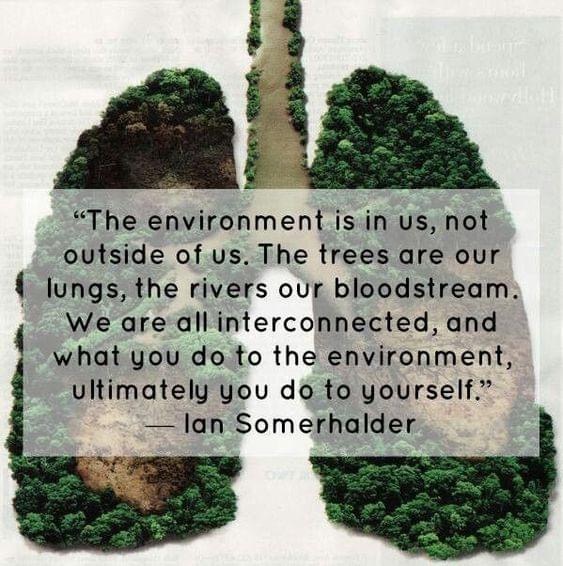
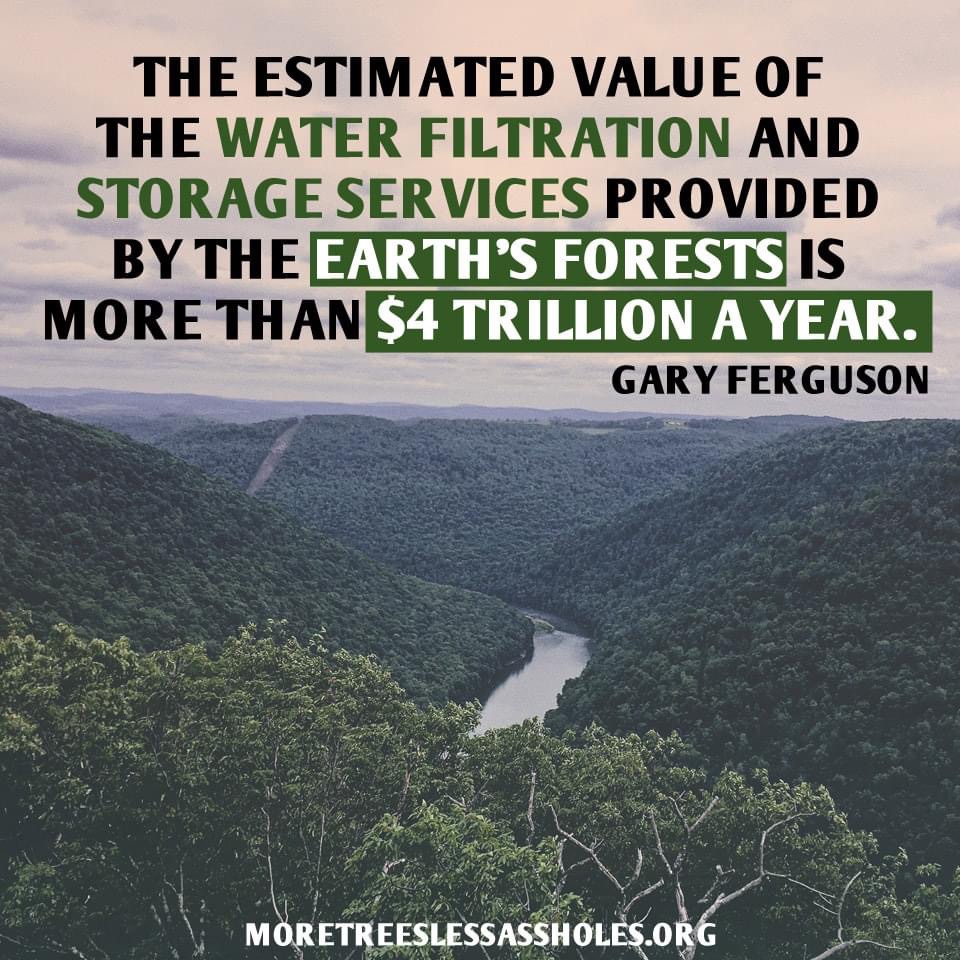
The study, published in the journal Naturelast month, found that clearing wide swaths of trees — what’s known as deforestation — reduces rainfall in tropical rainforests, which actually generate their own rain. When it rains, trees soak up and use that water. They then release that moisture, both through evaporation and through their leaves. That humid air rises and helps create clouds, which in turn create more rain.
This process, called precipitation recycling, accounts for up to 41% of the rainfall in the Amazon and up to 50% in the Congo, according to the study’s authors. When trees are cut down, it breaks this cycle, hampering the formation of rain and leading to drought. Reduced precipitation recycling due to forest loss, the researchers say, has grave repercussions for agriculture, hydropower generation and climate resilience — as well as for the rainforest itself.
“Global efforts to restore large areas of degraded and deforested land could enhance precipitation, reversing some of the reductions in precipitation due to forest loss observed here,” the authors wrote. They called for renewed efforts to protect rainforests and urged world leaders to act on their pledges to stop deforestation.
The study looked at satellite data on rainfall and forest loss in the world’s largest rainforest, the Amazon, which covers nine countries; the Congo Basin, the second largest rainforest spanning six countries; and Southeast Asia, home to Indonesia’s thriving Leuser Ecosystem.
Tree stumps scar the forest’s floor after 2,100 acres of forests were felled to plant oil palms in the heart of the Congo Basin forest near Kisangani, Democratic Republic of Congo, on Sept. 25, 2019.
Samir Tounsi/AFP/Getty Images
Each of these rainforests is losing trees primarily to agricultural land use. The Amazon has lost a significant amount of its forest cover — more than an estimated 60 million acres from 2000 to 2010 alone. Much of the deforestation in the Amazon is due to soy cultivation and cattle farming.
In Indonesia, peatland forests are burned to the ground for lucrative palm oil plantations — a cheap oil commonly found in packaged foods, cleaning and cosmetic products and increasingly in biofuels. The palm oil industry, illegal logging and deforestation by small-scale farmers in West-Central Africa are also decimating the rainforests in the Congo Basin.
“When we’re removing trees, we’re making the environment drier and that lack of moisture that’s the big cloud above those trees just disappears,” said Callum Smith, a Ph.D. researcher at the University of Leeds in England and co-author of the study.
In the Congo, deforestation could reduce local rainfall by 8%-10% by the end of the century, the study points out. Scientists are also seeing the impact in the Amazon.
“The important thing to remember is that this is just due to forest loss,” Smith said of the Congo prediction. “We’re screening out the effect(s) of climate change.”
Stopping deforestation
Robin Averbeck, forest program director at the Rainforest Action Network, said global forests are critical for producing rainfall and regulating global temperatures. They also capture carbon dioxide, which is a major contributor to human-caused climate change. That gas releases, though, when trees are cut down or burned.
“Once we deforest, we lose one of our greatest natural defenses in protecting ourselves from climate change. This is not only true for forests, but also other ecosystems,” Averbeck said. Draining and burning peatlands for palm oil plantations, particularly in Indonesia, also releases carbon into the atmosphere, they said.
Rangers cut down illegal palm oil trees within the protected Leuser Ecosystem rainforest in Aceh Province, Indonesia, on Jan. 9, 2019.
Chaideer Mahyuddin/AFP/Getty Images
Averbeck said banks, corporations and governments need to adopt and meaningfully enforce regulations and policies to prevent future deforestation, while not funding or using crops or products cultivated on deforested land. They also said ensuring and protecting Indigenous land rights is a critical step in preventing deforestation and rights abuses before they occur.
Indigenous lands contain 80% of the planet’s remaining biodiversity, Averbeck pointed out. For this reason, Averbeck said it is critical for Indigenous people to be able to resist development and for governments and companies to respect their decision.
A firefighter works to put out a large forest fire in Porto Jofre, Brazil, on Sept. 4, 2021.
Carl De Souza/AFP/Getty Images
Unlike Indonesia and the Brazilian Amazon, much of the forest loss in the Congo Basin is due to poor, small-scale farmers trying to survive, explained Frances Seymour, senior fellow at the World Resources Institute, a global nonprofit that works with leaders to solve environmental problems. Addressing deforestation in the Congo Basin is more complex, she said.
“It really requires an across-the-board approach to rural development that provides these communities with access to improved agricultural methods and to clean energy sources and other alternatives to make a decent living and live a decent life that doesn’t require the exploitation of forest resources,” Seymour said.
She said it is important to distinguish between corporations and governments that are engaging in illegal actions — such as opening unlicensed palm oil plantations, illegal road construction and logging or corruption — and poorer communities that depend on the rainforest because they lack other resources.
“There’s a real moral problem about exercising law enforcement against people who have no alternative, some of the most vulnerable people in the world,” she said.
Bernardo Flores, an economist at the Federal University of Santa Catarina in Brazil, said the Amazon region is already being stressed by hotter temperatures. According to a 2018 study, temperatures there have increased by more than 1 degree Fahrenheit over the last 40 years. Flores is worried that the rainforest is heading toward a tipping point.
“You would trigger this domino effect related to the loss of rainfall. Then you would lose a large part of the Amazon,” he said. “We wouldn’t be able to control that anymore.”
The Amazon, home to millions of species, has absorbed a large amount of pollution, as carbon dioxide emissions have soared over the last 50 years. Species like jaguars, seen here in 2021, and harpy eagles are being threatened by deforestation.
Carl De Souza/AFP/Getty Images
It would mean a huge hit to the world’s ecosystems—about one-third of all freshwater fish species are found in the Amazon, Congo and Mekong basins — as well as local Indigenous communities and farmers.
Flores said stopping deforestation is important, but it’s not the whole solution. Rainforests also need global temperatures to stop rising.
“The Amazon is important for everyone in the world,” Flores said. “When humanity faces problems in the future that we now don’t even imagine now, the solutions can come from the Amazon.”
There are reasons why I am looking for funding to be able to research these topics.
I have one more pet project, which I will describe first. It is about the forestation of the Kyzylkum desert, which occupies 2/3 of Uzbekistan. Its territory is 300,000 sq km (the total territory of Uzbekistan is 447 sq km). The desert has rich ground water reserves that lie deep underneath. And only trees are able to bring them up gently. I studied the Kenyan experience of forestation and want to promote it for Uzbekistan.
The benefits of forestation are many:
1. Trees will bring the ground waters to the surface and turn this vast area into fertile land. 1/3 of Uzbekistan has endemic (local) trees and bushes that grow fast and multiply through seeds, shoots and roots. They thrive on dry and saline soil and have large root systems that are capable of pumping water for their survival. Fertile land resources will help the country to develop economically and to sustain its growing population.
2. All endemic trees of Uzbekistan are honey bearing trees and will help bees to survive. The cultivated gardens are not good enough for bees because they are treated with insecticides and chemical fertilizers. Wild trees do not bear fruit and will be an excellent protection and source of uncontaminated pollen for bees. Despite the general belief that bees live off flowers of small plants, they depend on trees much more. Of course, the problem of the bees is complex and there are many views, which still need more research and evidence. However, the growth of forests will definitely be good for the bees.
3. Forestation of the 300,000 sq km can strongly mitigate gas house gas CO2 emissions and stop dust storms entirely and make this vast area suitable for solar power plants. According to the Centre for Economic Research of Uzbekistan, the solar energy potential in Uzbekistan is equivalent to 51 billion tonnes of oil. It means that Uzbekistan will not only satisfy its own need for electricity but will be able to export electric energy abroad.
How to:
Every autumn a lot of tree planting materials are swept in the streets of Uzbekistan: seeds, leaves, twigs. More than 15 different varieties of trees and bushes: maple, hawthorn, honeysuckle, acacia, tugay plants, sagebrush, plane tree, oak, mulberry, chestnut, elm, maclura. Instead of burning or composting or throwing them into dumps, these planting materials will be turned into seedballs.
Every late spring there is at least 300 mm of precipitation in those deserts plus some precipitation at the end of the autumn.
There is a basic technology for the production of seedballs, which is used in Kenya and other parts of the world and which is not a secret.
Seedballs weigh 2 g. They are like raffaello candies with seeds in the centre covered with protective nutritious coal dust and dirt.
Seedballs will be dropped from the air.
Seedballs, which don’t grow in the first year, will grow the next year. The Kyzylkum desert is mostly covered with some vegetation and some of the seedballs of trees will be protected by the desert plants.
Although it takes many years for the forests to grow, it will only take a few seasons, or a couple of year to spread the seedballs across the area 500 km by 500 km. The nature itself will do the rest.
I have the necessary calculations and possible sources of finance. In fact, all of my projects will be researched and subsequently formulated as action programmes.
There are community based social enterprises that could produce seedballs and sell them for $0.02 (Kenyan seedball price)
I have been thinking about this idea for a while and its presentation is becoming more and more urgent especially due to the escalated Russian nuclear plant building project in Uzbekistan, which is extremely dangerous. They have chosen a location on a small very saline lake Tuzkan on the edge of a desert in the Jizzakh province, where temperature in summer gets as high as 60-70 degrees Celsius. During hot summers the lake shrinks as it doesn’t have a sustainable stable replenishment source. And although such temperatures are not reported officially, they truly exist. Our climate is sharply continental. We have extremely hot summers. And the country is double landlocked, which means it doesn’t have big water that would soften its dry air under the sun rays.
My other project briefs:
1) It is necessary to develop a solid analytical base to convince the governments and social partners of the economic value of human and individual rights and that when the law effectively protects individual rights it protects the generator of wealth in the society, be it a taxpayer, an entrepreneur, a businessman, a worker, a public servant, a consumer, etc. The famous Maslow pyramid and other classifications of needs are easily transformed into rights and can underpin needs-based and rights-based economic relations with a more active individual in the middle of it as a source of the needs and the rights for shaping up the supply and demand of services and goods.
There are many international human, labour and social rights standards. I can base my research on transition economies/countries, which I know best, former FSU, or Russia and Central Asia to be exact. The discourse on human rights has been politicised and there is a general feeling of distrust that they are used for political pressure while the agenda of the Western states and their ‘agent’ international organizations is to weaken and eliminate the ruling powers and get access to natural resources of the countries.
On the other hand, the real market economy and prosperity look unattainable and democracy has become a derogatory word. This leads to nostalgia for the old soviet times among people and to theories of cultural relativism of human rights among the ideologists of the ruling regimes.
Part of the problem is that the majority of these countries have certain natural resources, which distracts the leadership of the countries from the need for reforms and investment in people for short, medium and long-term prosperity.
I believe that there is a certain ‘break-even point’ of individual (and collective) rights whereby the human potential is unleashed and factored into wealth. I realize that oligarchic interests constitute the basis of political economy of these countries. However, the area of consensus clarifies when we speak about the economic value and ‘break even point’ of individual rights protection, below which the economy stagnates. It is a case for human rights-based economy.
2) The regional integration as an economic necessity and labour migration as a vehicle of such integration and cooperation. The countries in question, especially the destination countries (Kazakhstan for the region of Central Asia, but we can include RF as well) have serious demographic issues, which, among others, weaken the social security systems of the destination countries as the ratio of the working population to those who rely on public funds (pensioners, young mothers, disabled persons) is low. Taken separately, all of the Central Asia countries have fairly small populations not sufficient for the development of sustainable competitive economies. Migrant workers have competitive advantage at the expense of their rights. Thus, granting rights to migrant workers and all workers in the informal economy, means turning them into consumers, tax-payers, and gradually into other wealthgenerator roles.
This will strengthen the social security system, improve the worker/pensioner ratio and this will also help provide social security to all workers based on access to social insurance schemes. After all, social security is part of labour standards.
Some time ago I was really impressed by Hernando de Soto’s work ‘The Mystery of Capital’. The main concept of the book, when applied to migrant and other informal sector workers, leads to the idea that labour can be a capital, if the ILS (international labour standards) are regarded as a legal patent protecting an inalienable right to own one’s own labour and to derive wealth for oneself. In other words, labour is not a commodity (by the ILO definition), or it is a special commodity, the price of which includes the cost of FPRW and ILS. Otherwise this commodity will “stand up and overthrow” the existing order or in any case cause social distress detrimental to the economy.
Currently, we see that this transnational workforce, which is outside of the legal frameworks available to the nationals of the destination country, is eroding the legal frameworks of the receiving countries. Large groups of the economically active population whose rights have never been harmonised with international standards or even with the rights of the national workers have become marginalised. For instance, corruption that has been ‘practised a million times’ on migrant workers and their families has become mainstream, and Russia and Kazakhstan are experiencing rampant corruption and lawlessness more than ever before.
Equalizing the cost of employment for migrant and domestic workers, for formal and informal economy workers, providing access to social security through social insurance schemes and taxes will lift them off the informal economy and bring more balance to the labour market.
Due to visa-less border regime and income gaps between the neighbouring countries and existence of the relatively larger number of production cycles in the destination countries there is clearly a regional and not national labour market with well-established supply and demand for labour, which leads to the situation whereby labour is compelled to cross the borders. Therefore, there should be social security framework whereby the workers accumulate their pension and/or other benefits on the territory and in the economy of the destination country where the production cycle takes place and where workers return on a regular and consistent basis over many years.
The concept of the value of the consumer is extremely low. The government and oligarchs do not realise that they need workers to produce goods and they need consumers (the same workers) to buy goods. They are too engrossed in selling natural resources abroad.
3) The history of industrial relations is a history of the change of the status of workers through exercising their right and strengthening their capacity to organize. Before 1890’s the situation of American workers was the same as the situation of migrant workers from C.A. in RF and RK: they worked 12-14 hours for low wages and without occupational safety and health, child labour was normal, etc.
The governments of origin and destination countries always compromise and put other interests on top of the workers’ rights, their bargaining in fact reminds of the bargaining over labour force, which does not have a voice in this bargaining and such decisions or policies are never rights-based.
Thus, it is necessary to conduct a systemic study of the potential effect of migrant labour cooperatives in the origin and destination countries. This will help consolidate/develop the knowledge base for trade unions and migrant workers’ own associations, to develop recommendations for legal frameworks for their charter documents and manifestos
It will help improve the situation of migrant workers as an inalienable part of the labour resources of the destination country regulated by the same labour legislation as national workers with certain provisions. This will also help balance the labour market.
4) Such countries as Uzbekistan, rich in natural resources, take gas and oil from public consumption and sell them abroad. Millions of people suffer through cold winter periods, many old people and children die of cold, homes and offices barely survive because of power cuts or low power supply. To remedy the situation it is necessary to substantiate the need for community based alternative energy projects, such as solar batteries and wind generators, which could bring in change and gradual reform not only in the energy supply, but also in the economy and governance system, helping people to consolidate their effort and strengthen their capacity.




 Green Light Deserts LTD